Medical Treatment Comparisons
Doctor-GuidedCompare evidence-based treatments for pattern hair loss, shedding, scalp conditions and transplant planning.
Explore Treatment Comparisons →Hairsncares · Learn · Compare Guides
Doctor-reviewed side-by-side guides for minoxidil, finasteride, PRP, GFC, serums, oils, shampoos, supplements, hair fibers, scalp care ingredients, hair transplant techniques and product brands.
"Haircare decisions become confusing when every product claims to be the best. A good comparison explains what each option does, who it suits, when it may not help, and when medical review is safer than self-selection."
Treatment × Product × Evidence Match
How to compare hair treatments, ingredients, products and brands based on evidence — not marketing
Side-by-side guides for minoxidil vs finasteride, PRP vs GFC, serum vs oil and more
The difference between medical treatment, cosmetic support and routine support
How to compare anti-dandruff ingredients like ketoconazole vs zinc pyrithione
When to compare products yourself and when to consult a dermatologist instead
Hair loss pattern comparisons: MPB vs telogen effluvium, crown vs diffuse thinning
How evidence level, safety profile and diagnosis affect which option is right for you
Common comparison mistakes that lead to wrong product choices and wasted money
Simply Explained
Comparison guides help you understand the difference between two or more options before buying or starting treatment. Some options treat medical hair loss, some support scalp health, some improve cosmetic appearance. The goal is not to declare one option best for everyone — it is to help you choose what fits your concern, diagnosis, scalp type, safety profile and routine.
Compare medical or clinic options like minoxidil, finasteride, PRP, GFC or transplant.
How ingredients differ in evidence, mechanism, safety and suitability.
Choose between serum, oil, shampoo, supplement, conditioner, mask or cosmetic.
Compare similar products or brands by formula logic and safety notes.
Differentiate similar concerns like dandruff vs dry scalp or fall vs breakage.
Know when comparison is not enough and medical evaluation is needed.
Quick Answer: Haircare decisions become confusing when every product claims to be the best. A good comparison explains what each option does, who it suits, when it may not help, and when medical review is safer than self-selection. Some options treat medical hair loss (minoxidil, finasteride), some support scalp health (ketoconazole, zinc pyrithione), some improve cosmetic appearance (fibers, concealers). The goal is not to declare one option best for everyone — it is to match the right option to your diagnosis, scalp type and safety profile. Results vary.
Users confused between two treatments, ingredients, products or brands — wanting evidence-based clarity before buying or starting treatment.
Individual dermatologist consultation. Prescription decisions, transplant planning and persistent hair loss need medical guidance.
Considering minoxidil, finasteride, dutasteride, PRP, transplant, or if hair fall is patchy, progressive or severe.
Comparison Finder
Comparison Pathways
Compare evidence-based treatments for pattern hair loss, shedding, scalp conditions and transplant planning.
Explore Treatment Comparisons →Understand different minoxidil formats, strengths, use-cases and routine suitability.
Explore Minoxidil Comparisons →Compare growth-support, anti-dandruff and scalp-care ingredients by evidence and suitability.
Explore Ingredient Comparisons →Choose the correct product format for your concern instead of buying every category randomly.
Explore Product Comparisons →Understand similar-looking scalp problems before choosing shampoo, lotion or treatment.
Explore Scalp Comparisons →Differentiate between shedding, thinning, breakage, miniaturisation and pattern hair loss.
Explore Pattern Comparisons →Compare popular haircare and pharma products by formulation logic, suitability and safety.
Explore Brand Comparisons →Compare instant coverage and styling products for crown thinning, widening part and low density.
Explore Cosmetic Comparisons →Complete Library
Same active, different vehicles — solution uses propylene glycol, foam dries faster with less irritation risk.
Higher concentration does not always mean better — doctor guidance needed for strength selection.
Two different mechanisms for pattern hair loss — topical growth support vs oral DHT blocker. Diagnosis-dependent.
Both DHT blockers — dutasteride is broader-acting. Strictly doctor-guided comparison.
Two regenerative clinic-based options — different preparation, cost and evidence profiles.
Clinic sessions vs daily home application — different approaches for hair support.
Surgery vs medication — timing, candidacy, stabilization and realistic expectations.
Two popular transplant techniques — extraction and implantation method differences.
Cosmetic peptide complex vs established medical treatment — very different evidence levels.
Two popular cosmetic growth-support actives — similar evidence category, different mechanisms.
Stronger anti-fungal vs milder daily-use option — choice depends on dandruff severity.
Two popular hair supplements — different mechanisms, different deficiency contexts.
Popular natural option vs decades of clinical evidence — very different evidence bases.
Lightweight vs heavy, scalp-safe vs shaft-only — choosing the right leave-on by concern.
Daily lightweight vs weekly deep treatment — frequency and intensity of shaft care.
Multi-nutrient hair supplement vs standalone biotin — when each makes sense.
Marketing labels can overlap — understanding the actual ingredients and targets matters.
When you need medicated vs when regular cleansing is enough for your scalp.
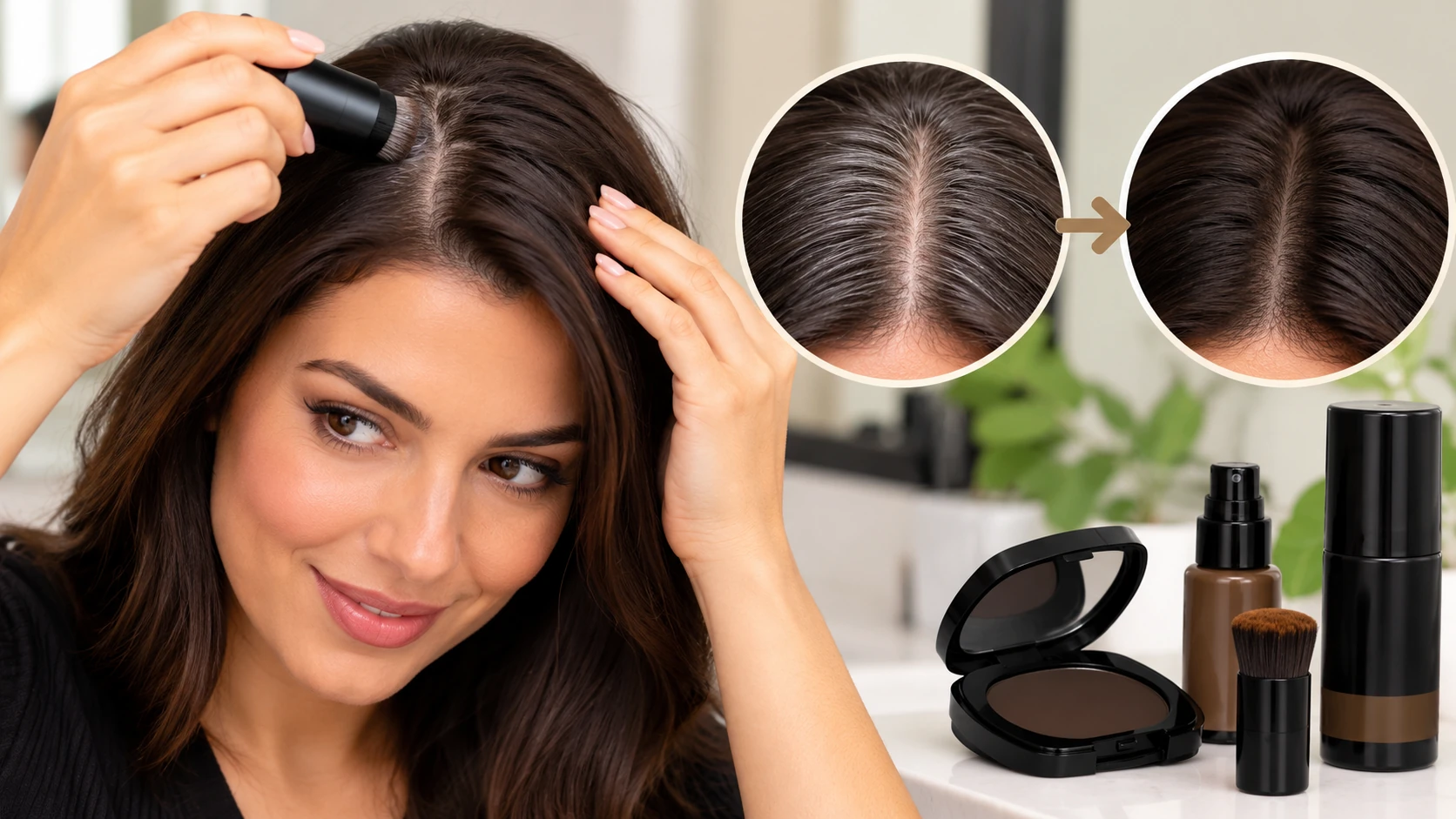
Keratin fibers cling to strands for density illusion vs concealer colours the scalp to reduce contrast.
Spray vs dry powder for root lift — application, hold and hair type suitability.
Root shedding vs shaft snapping — different causes, different treatments, different urgency.
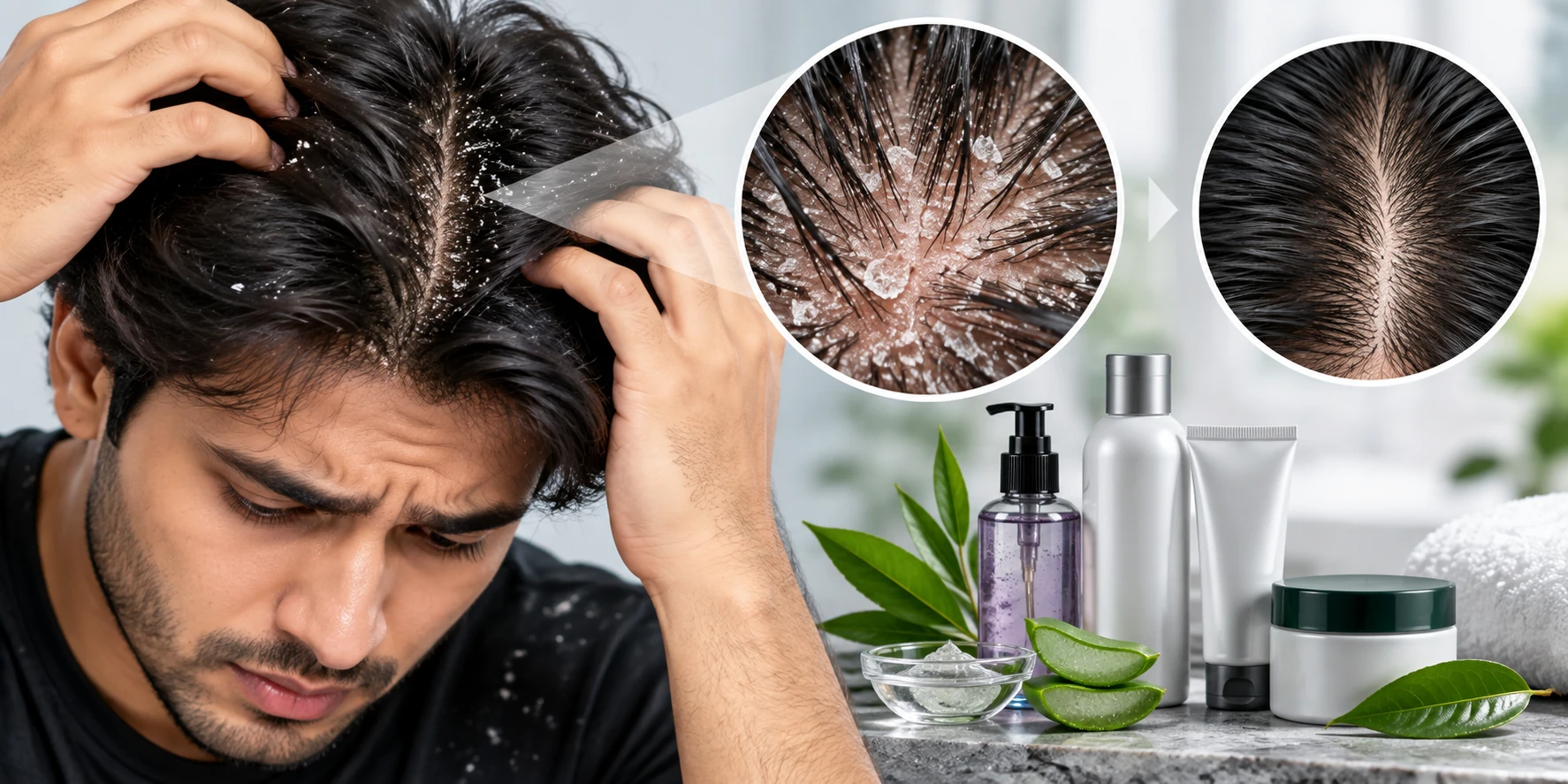
Oily yellowish flakes vs dry powdery flakes — treatment approach differs significantly.
Normal oiliness vs inflammatory scalp condition — one needs routine care, other may need treatment.
Genetic progressive loss vs temporary stress shedding — very different prognosis and treatment.
Two hormonal causes with overlapping symptoms — lab evaluation essential for differentiation.
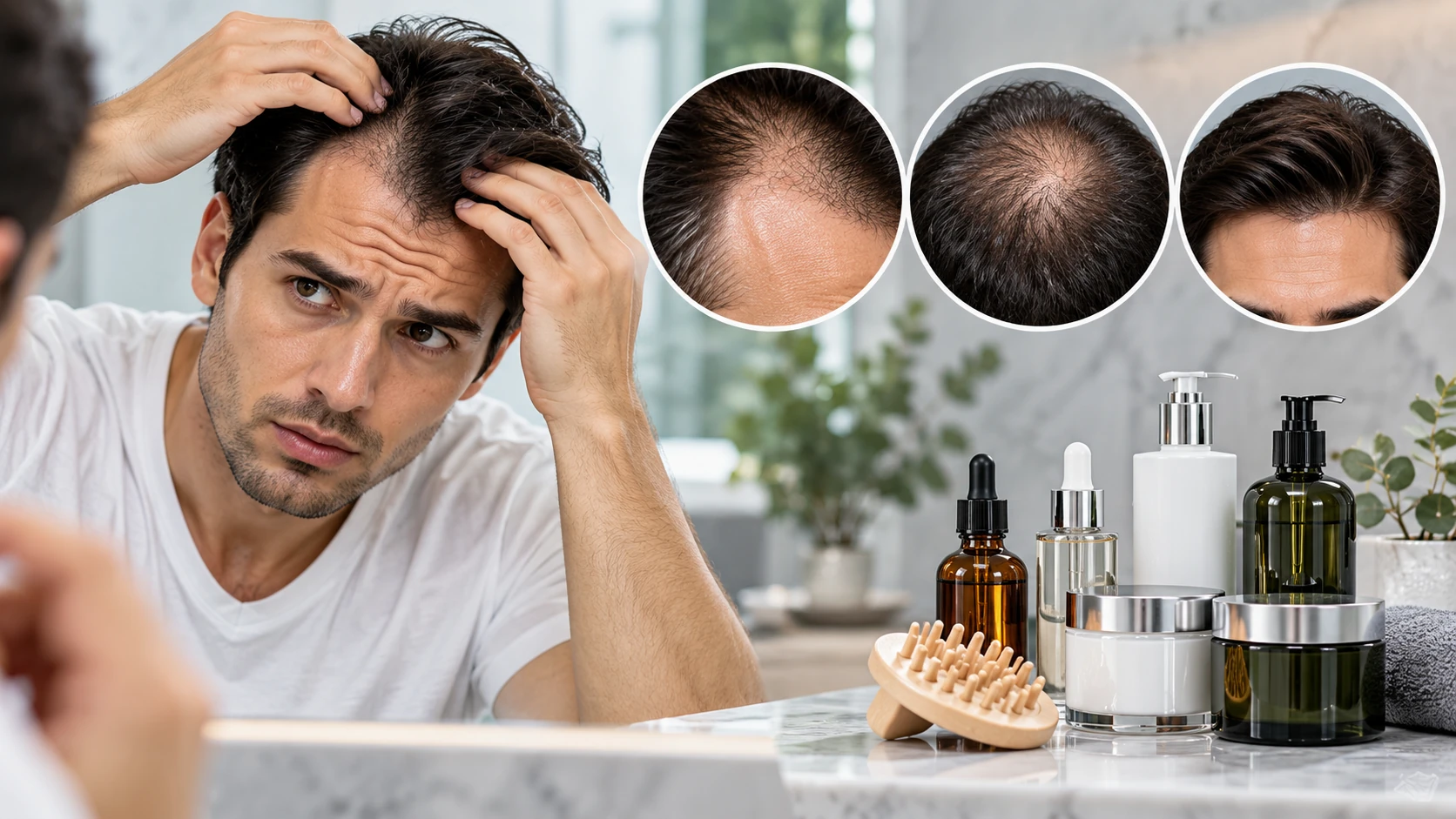
Localized crown visibility vs widespread density reduction — different patterns, different causes.
Normal ageing hairline shift vs progressive pattern recession — knowing the difference matters.
Medical-grade actives vs routine cosmetic support — fundamentally different categories.
Decision Map
Start with
Hair Fall vs Hair BreakageThen compare: Telogen Effluvium vs Pattern Hair Loss, Minoxidil vs Finasteride if pattern loss suspected.
Start with
Dandruff vs Dry ScalpThen compare: Ketoconazole vs Zinc Pyrithione, Oily Scalp vs Seborrheic Dermatitis.
Start with
MPB vs Telogen EffluviumThen: Minoxidil vs Finasteride, Hair Transplant vs Medical Treatment.
Start with
Procapil vs RedensylAlso: Rosemary Oil vs Minoxidil, Hair Serum vs Hair Oil.
Start with
Conditioner vs Hair MaskAlso: Leave-In vs Serum, Ceramides vs Protein.
Start with
Hair Fibers vs Scalp ConcealerAlso: Volumizing Spray vs Volume Powder.
Common Mistakes
Medical Safety
Comparison guides clarify options, but persistent, severe, patchy or progressive hair loss needs dermatologist evaluation.
AI Decision Support
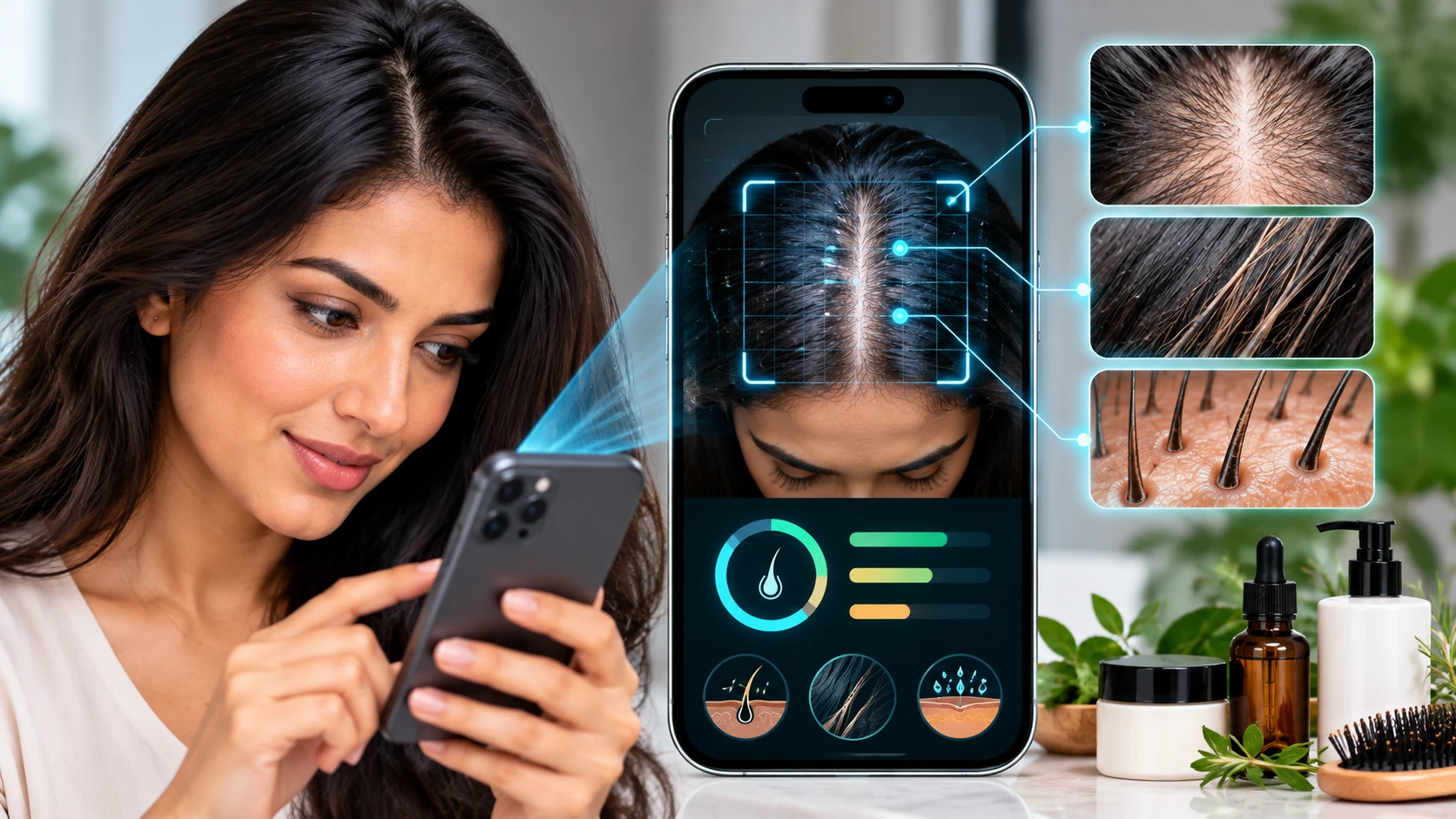
Understand if your concern is shedding, thinning, pattern loss, breakage or scalp-linked fall.
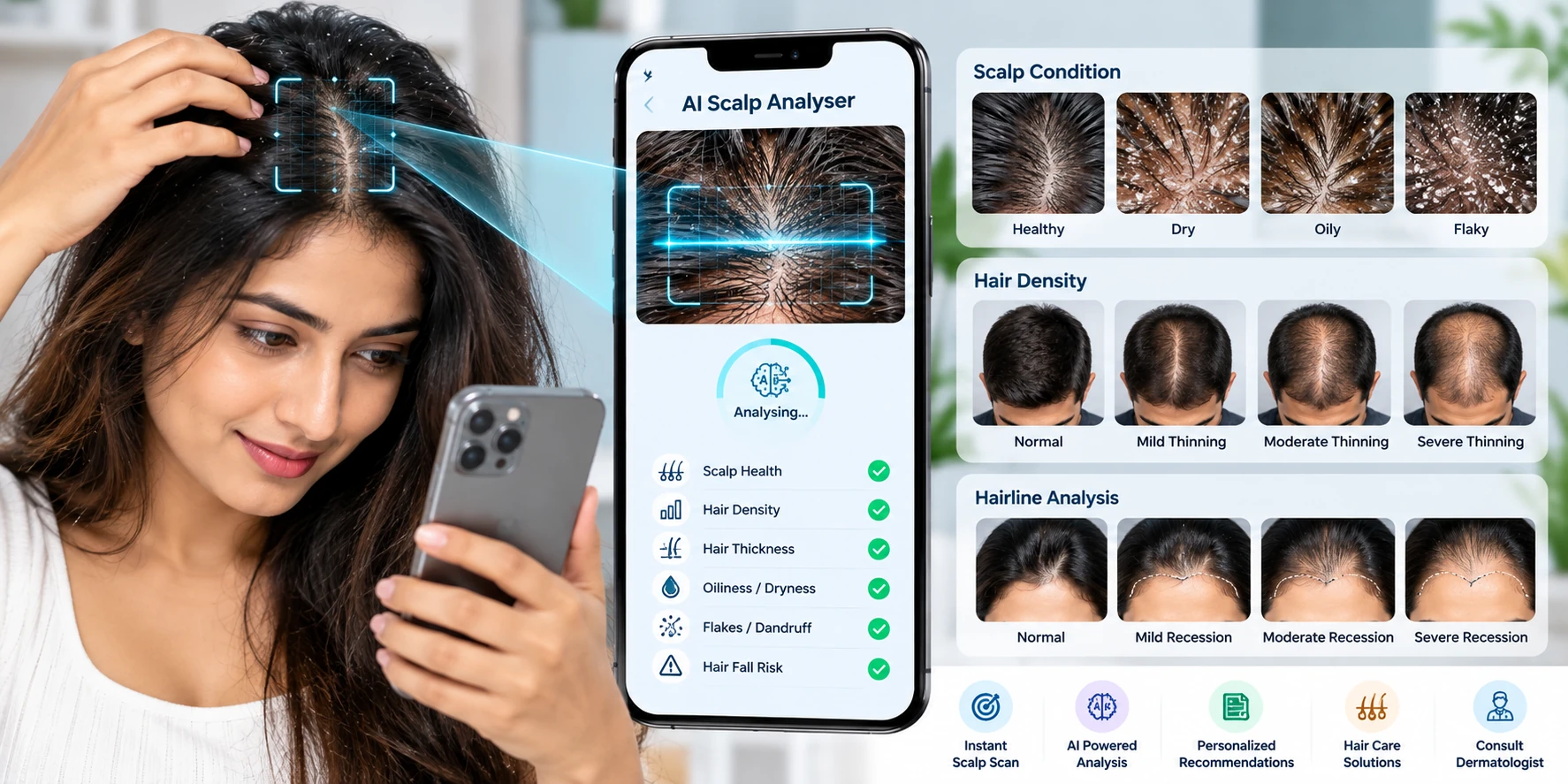
Start AI Hair Test →Check flakes, oiliness, redness and irritation before choosing scalp products.
Analyse My Scalp →Build a structured routine before comparing multiple shampoos, serums or supplements.
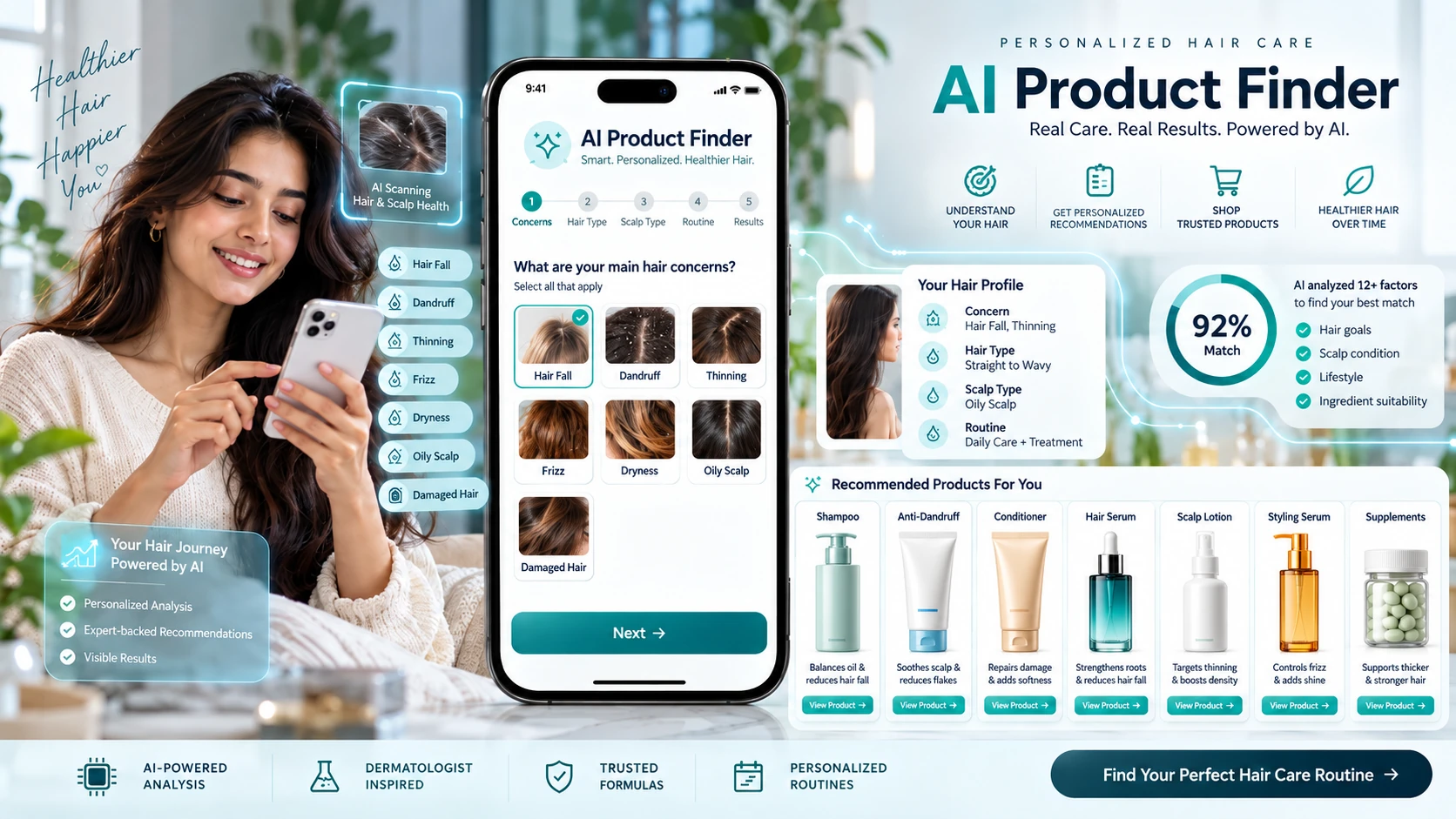
Build My Routine →Find products by concern, ingredient, scalp type and routine goal.
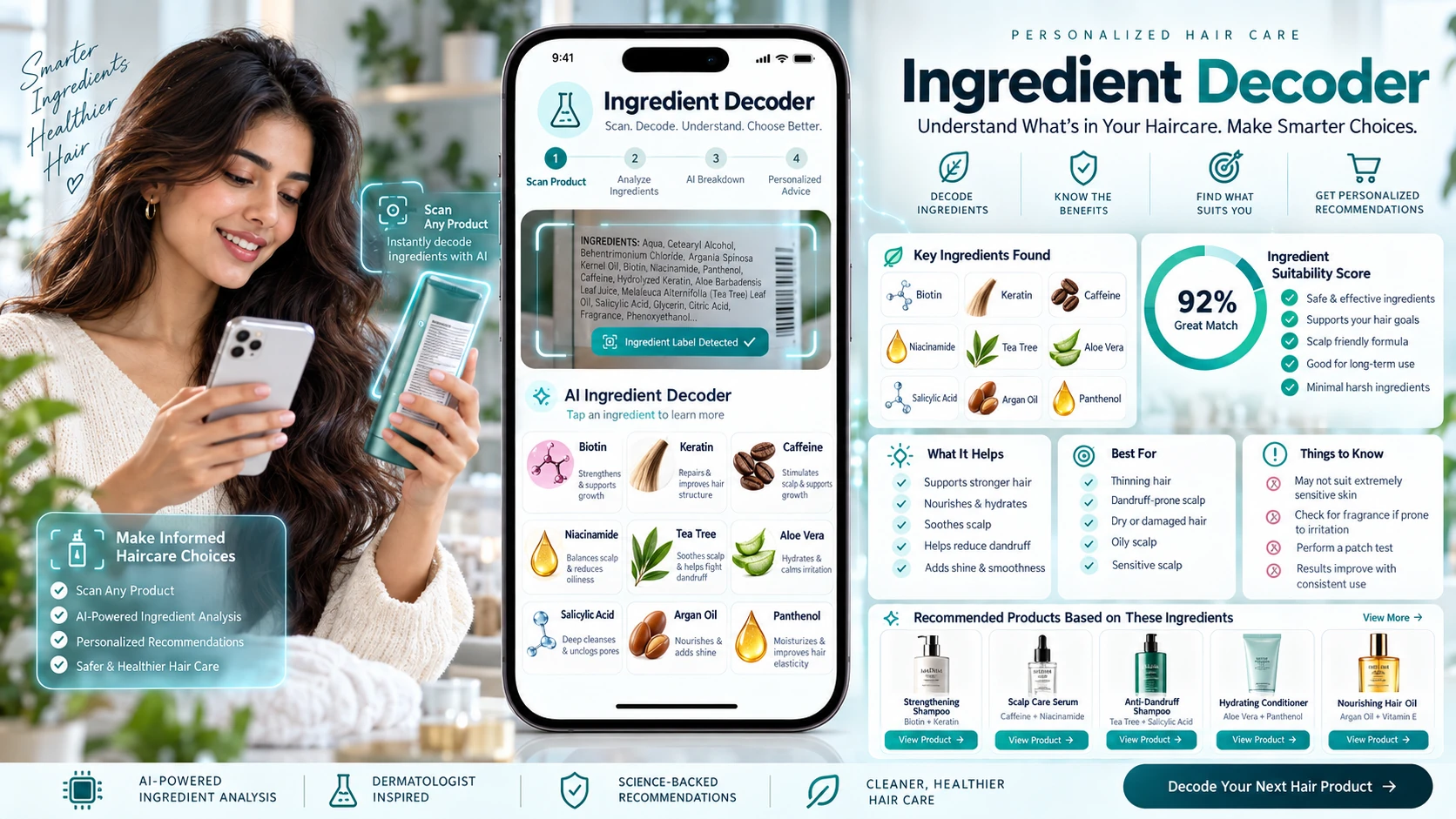
Find Products →Understand active ingredients before comparing brands or product claims.
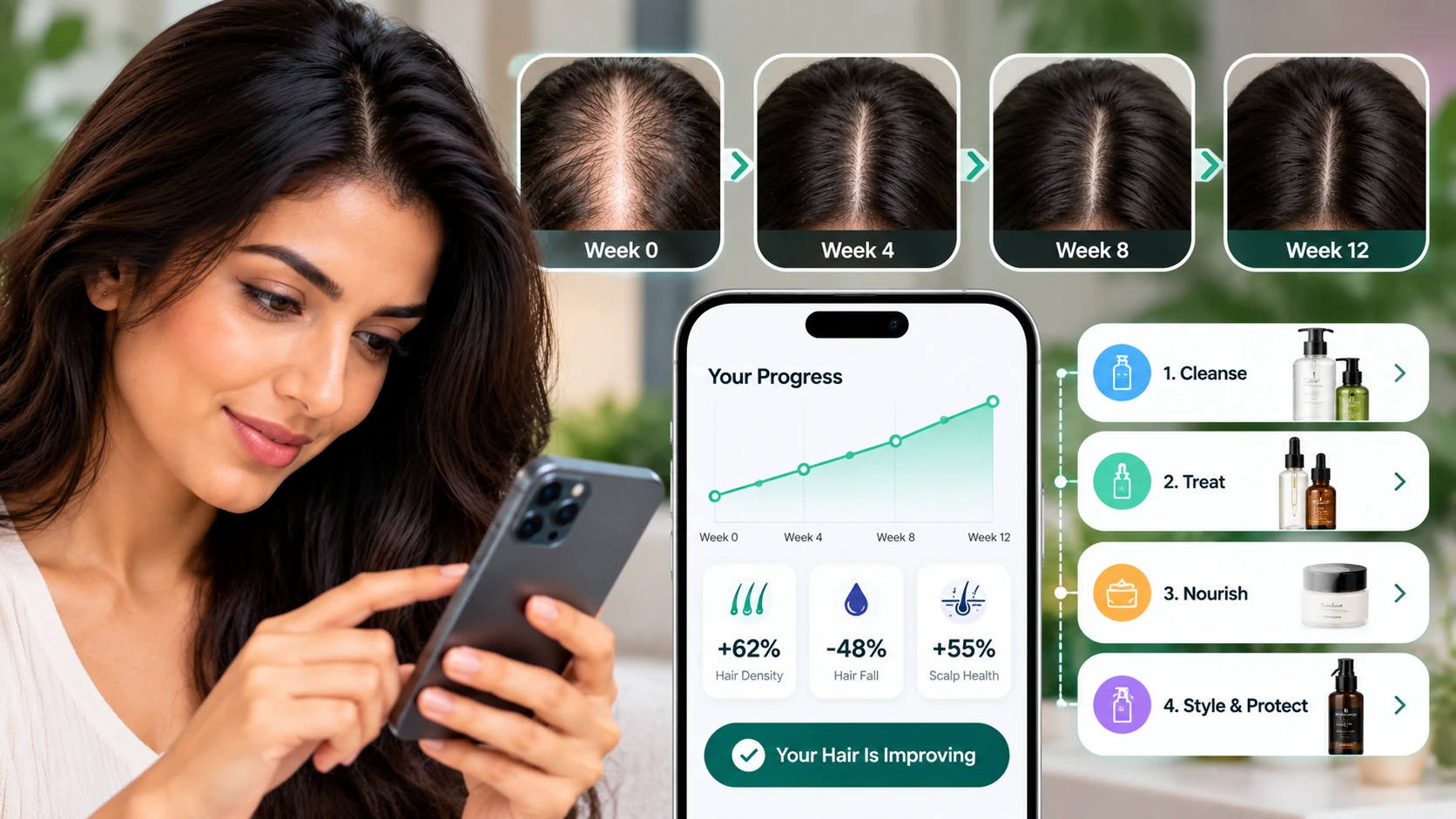
Decode Ingredients →Track photos, shedding, flakes and density to judge whether an option is helping.
Track Progress →AI tools are educational support tools and do not replace dermatologist diagnosis.
A Note on Comparisons
"Most haircare confusion comes from comparing marketing claims instead of comparing evidence, use-case, safety, routine fit and diagnosis. One product may be useful for dandruff, another for cosmetic volume, another for DHT-linked pattern hair loss. Better decisions start with better comparisons."
Authority & Trust
Every comparison reviewed by MD Dermatology. No marketing bias.
Clear distinction between medical treatment, cosmetic support, routine support and marketing claims.
No "best for everyone" claims. Each option evaluated by diagnosis, safety and use-case fit.
Prescription product gating, pregnancy safety notes, transplant decision safety and red flag referrals.
Comparison guides reviewed for accuracy, safety and balanced presentation. Educational only. Prescription medicines need doctor guidance. No guaranteed results. Last review: June 2026.
Compare Guide FAQs
Start by understanding your diagnosis. Compare evidence level, mechanism, safety profile and routine fit. Never compare medical treatment with cosmetic product as equals.
They work differently. Minoxidil is topical growth support, finasteride is oral DHT blocker. Choice depends on diagnosis, gender, severity and medical history. Doctor guidance is essential.
Same active ingredient. Solution can irritate some scalps. Foam dries faster with less irritation. Efficacy considered similar. Choice depends on scalp tolerance and convenience.
One small study suggested comparable results, but minoxidil has decades of evidence. Rosemary oil may offer mild support but should not replace proven treatment for diagnosed pattern hair loss.
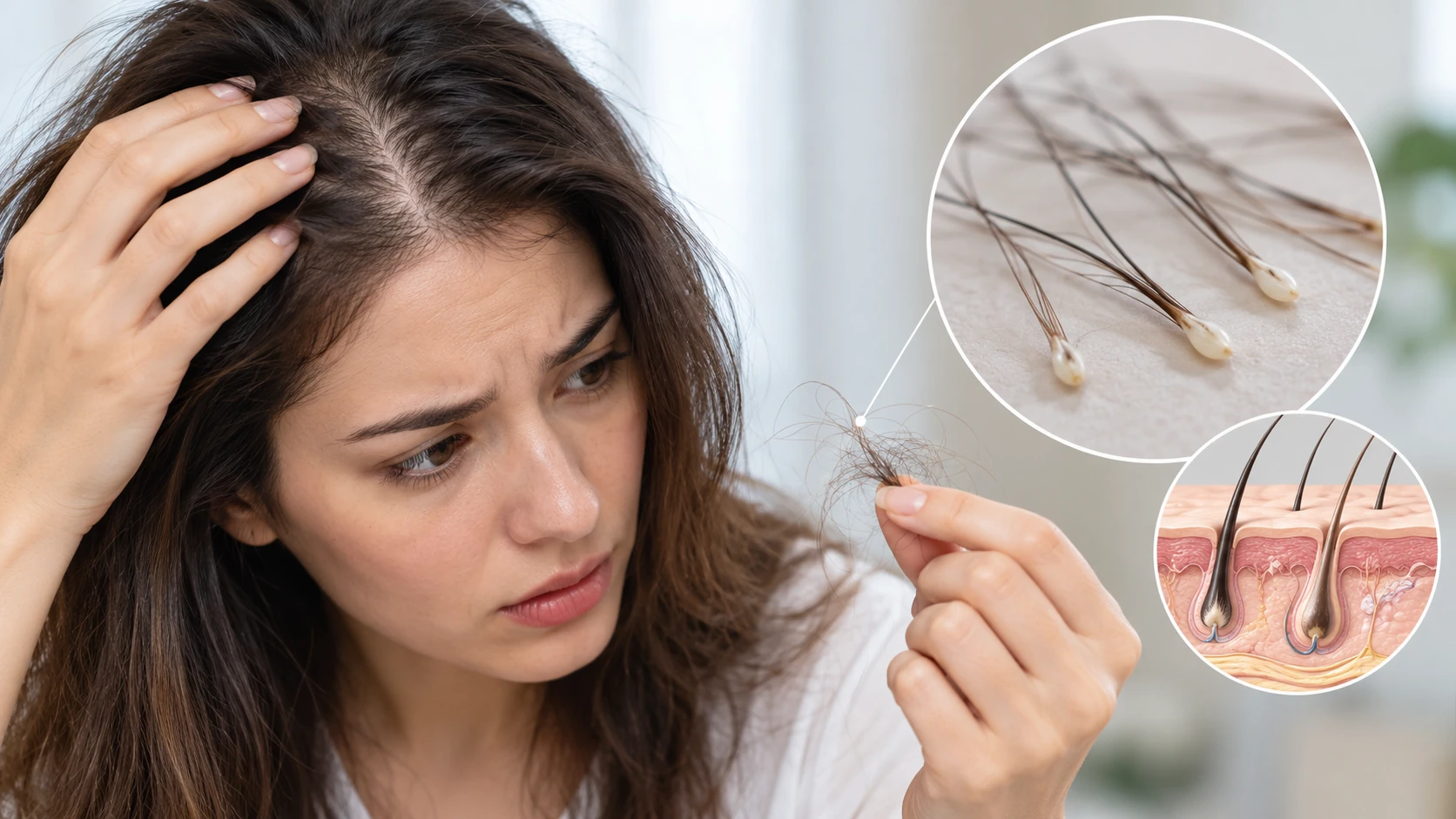
Hair fall is shedding from root (full strand with white bulb). Breakage is snapping from shaft (short pieces). Causes differ, treatments differ. A dermatologist can differentiate if unsure.
Ketoconazole is stronger anti-fungal for moderate-severe dandruff. Zinc pyrithione is milder for routine control. Choice depends on severity and scalp tolerance.
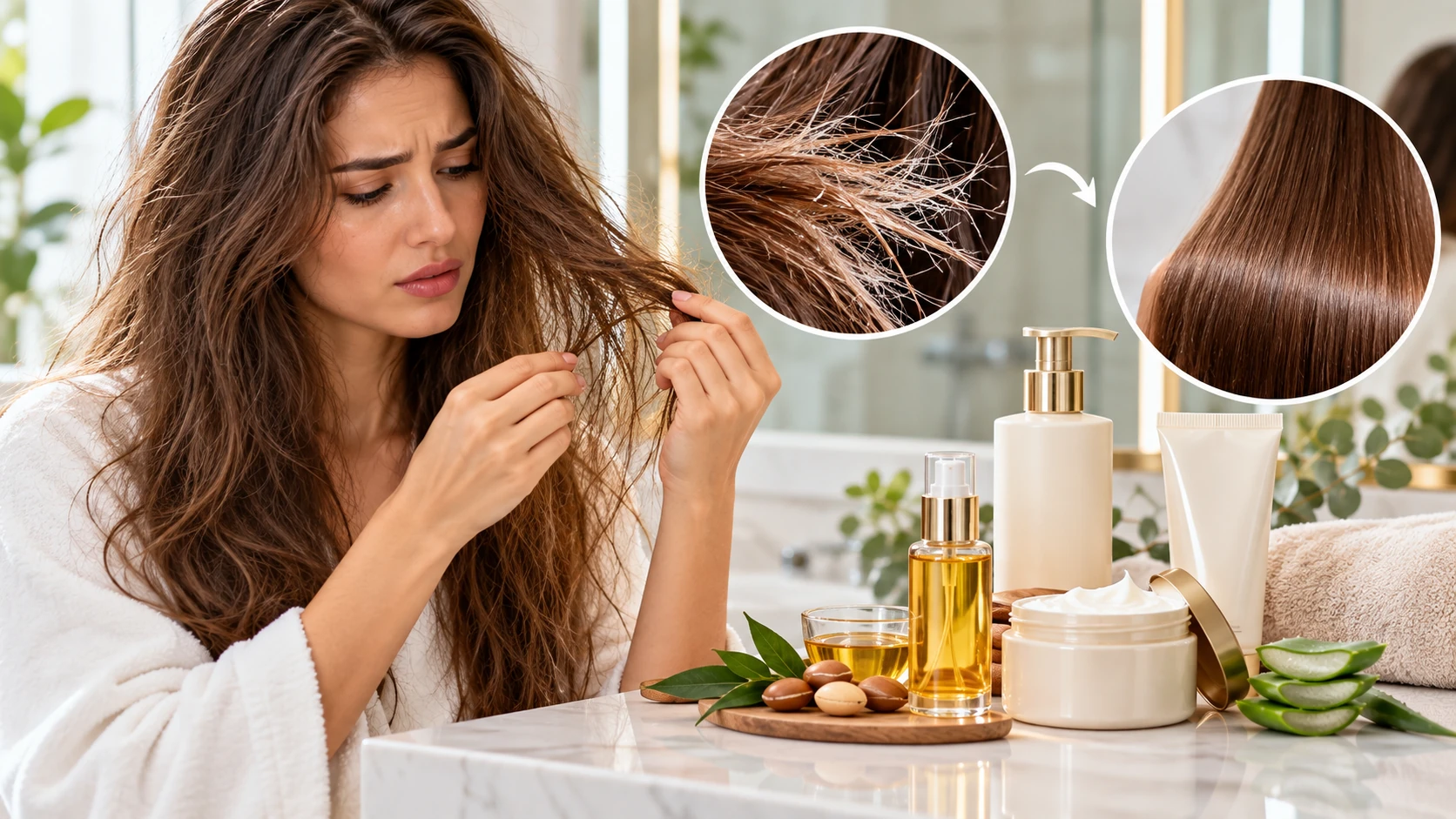
Serums are lightweight and fast-absorbing. Oils are heavier for shaft softness. Choice depends on scalp type (avoid heavy oil on oily/dandruff scalp) and routine goal.
Supplements help when deficiency is documented. Treatment addresses hair loss mechanisms directly. Get blood work before supplements. Do not use supplements as a substitute for diagnosed conditions.
Fibers cling to strands for density illusion. Concealer colours the scalp to reduce contrast. Choice depends on hair length, thinning pattern and preference. Both are cosmetic.
Pharma contains active pharmaceutical ingredients with clinical evidence. Cosmetic supports appearance and routine. Different purposes — pharma often needs doctor guidance.
No. Guides are educational. They do not diagnose, prescribe or replace clinical examination. For persistent concerns or prescription decisions, consult a dermatologist.
Before starting prescription products, if hair fall is sudden, severe, patchy or progressive, if scalp has symptoms, if considering transplant, or after 3-4 months of no improvement.
Compare by active ingredients, concentration, suitability for your concern, evidence level, safety and price. The right active for your diagnosed condition matters more than brand popularity.
Start with the comparison matching your primary confusion. For hair fall: Hair Fall vs Breakage. For flakes: Dandruff vs Dry Scalp. For treatment: Minoxidil vs Finasteride. Use the Finder for guidance.
AI tools provide directional guidance based on your inputs. They help narrow options but cannot diagnose or prescribe. For medical treatment decisions, always consult a dermatologist.
Trusted Reading
Your cart is empty
Your image is processed privately by our AI engine and saved securely with your account.
This item will be removed from your cart. You can add it back later.