Hair Loss: Causes & Treatment
Dermatologist-led overview of how hair loss is evaluated and the evidence behind common treatments.
View AAD reference ›Both are cosmetic products — not medicines — with different textures and goals. A serum is usually lightweight (often water- or silicone-based), smooths, protects from heat and adds shine, and some carry cosmetic actives. A hair oil is more conditioning and nourishing, good for dryness, frizz and length care. Neither is universally better — the right pick depends on your scalp type, hair goal, texture preference and tolerance, and many people use both for different jobs. Importantly, neither cures hair loss or treats medical causes, and neither guarantees regrowth. If your real concern is shedding, the cosmetic choice matters less than the cause. Screen with the AI Hair Test, patch test if sensitive, and see a doctor for sudden, patchy or unexplained loss or an inflamed scalp. Results vary.
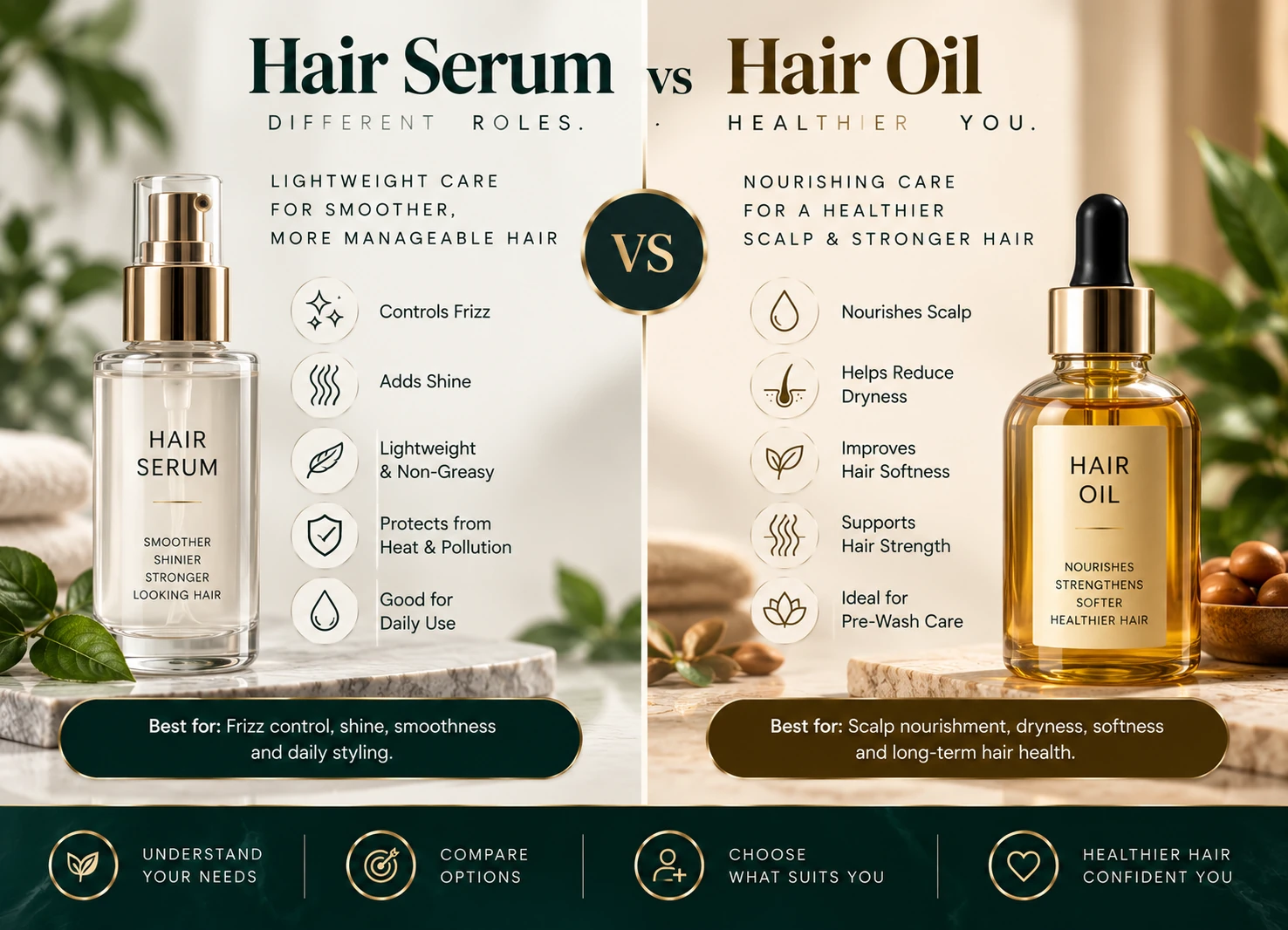
Illustrative sample only. The AI Hair Test screens scalp type and pattern and does not diagnose or prescribe. Both are cosmetics; neither cures hair loss. Shedding concerns need their cause assessed.
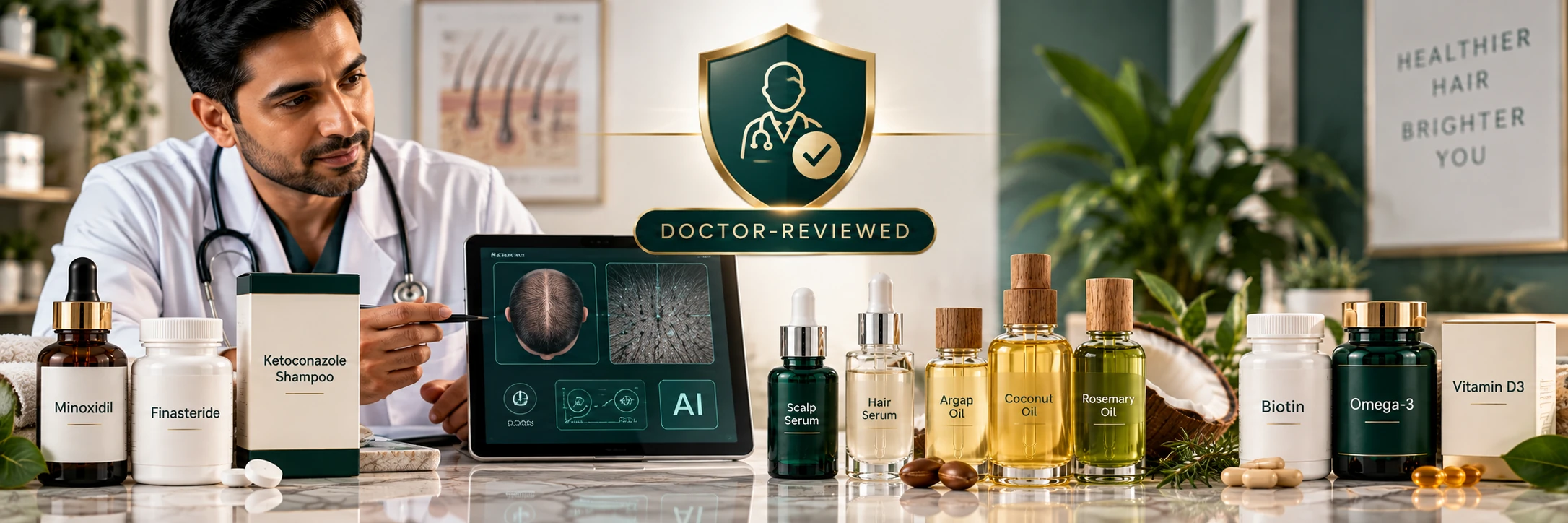
Neither is universally better — they're different cosmetic products with different jobs. A serum is typically lightweight, smooths, protects from heat and styling, adds shine and sometimes carries cosmetic actives; it suits finer hair and daily finishing. A hair oil is richer and more conditioning, good for dryness, frizz and nourishing the lengths, and is often used as a pre-wash treatment. The right choice depends on your scalp type, hair goal, texture preference and tolerance — and many people happily use both for different purposes. Crucially, both are cosmetics: neither cures hair loss, regrows hair or treats medical causes like pattern loss, thyroid issues or deficiencies. So if your real concern is shedding, the serum-vs-oil question matters far less than understanding why. Keep heavy oils off a greasy, flaky or inflamed scalp, patch test if sensitive, and see a doctor for sudden, patchy or unexplained loss or a sore scalp. Use the AI Hair Test to screen. Results vary.
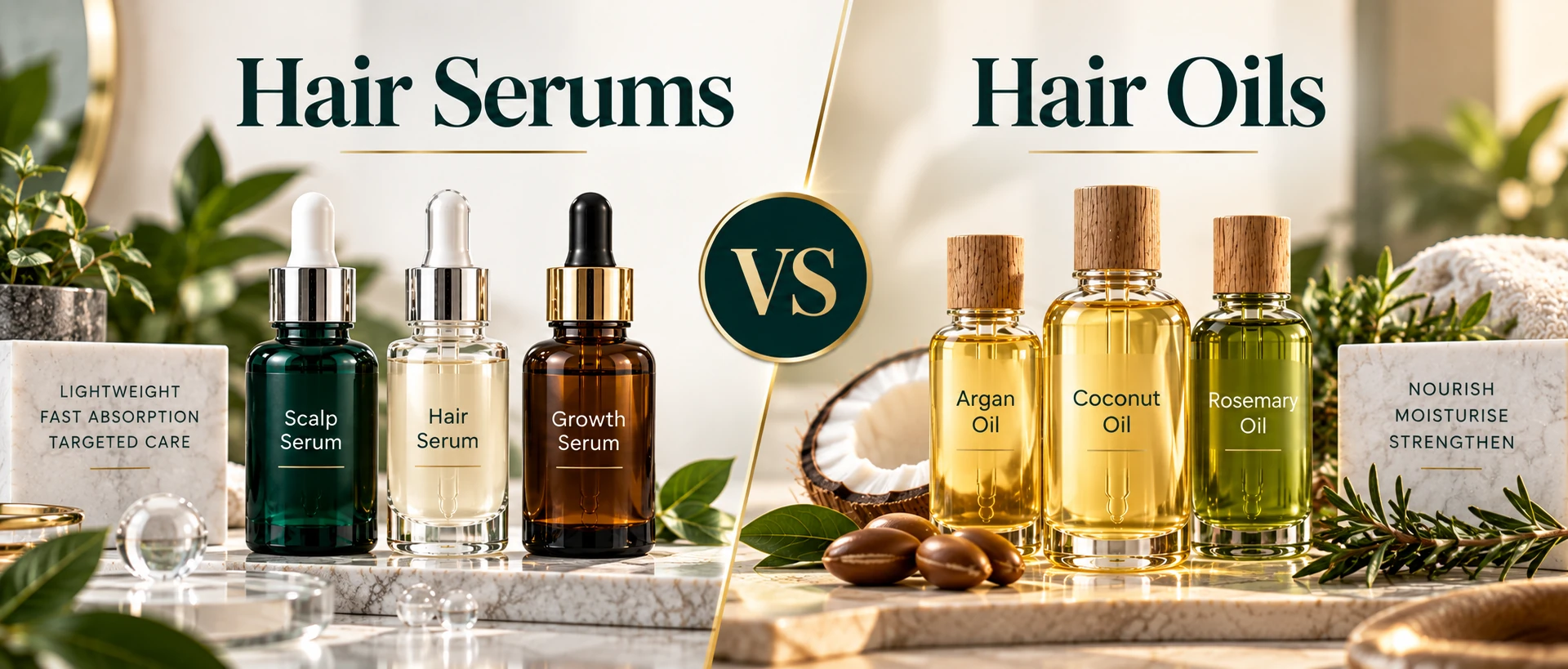
Hair serums and hair oils are both cosmetic products — they improve how hair looks and feels, but they're not medicines. The difference is mostly texture and purpose.
A serum is usually lightweight, often water- or silicone-based, made to smooth, protect from heat, add shine and leave little residue; some carry cosmetic actives. A hair oil is richer and more conditioning, used to soften dryness, tame frizz and nourish the lengths, and sometimes as a pre-wash treatment. Each suits different hair types and goals, and heavy oils are best kept off a greasy, very flaky or inflamed scalp.
Bottom line: choose by scalp type, hair goal, texture preference and tolerance — and feel free to use both for different jobs. But keep expectations cosmetic: neither cures hair loss or regrows hair. If shedding is your real worry, understand the cause first, ideally with a doctor or the AI Hair Test, rather than expecting a finishing product to fix it.
Two different scalp concerns. Recommended categories, prices, ratings, stock and badges are placeholders populated dynamically.
Not sure which you have? The AI Hair Test screens your pattern first.
Take the AI Hair TestAsk a Hair DoctorA clean, extractable side-by-side. This helps you tell them apart; it isn't a diagnosis.
| Feature | Hair Serum | Hair Oil |
|---|---|---|
| Type | Cosmetic | Cosmetic |
| Texture | Lightweight | Rich, conditioning |
| Main goal | Smooth, shine, heat protection | Nourish, reduce dryness/frizz |
| Often used on | Hair length & ends | Length & ends; some pre-wash |
| Best for | Finer hair, daily finishing | Dry, frizzy or coarse hair |
| Scalp note | Usually light | Keep heavy oils off greasy/flaky scalp |
| Cures hair loss? | No | No |
| Regrows hair? | No | No |
| Choose on | Scalp type, goal, tolerance | Scalp type, goal, tolerance |
Neither column "wins". They do different cosmetic jobs, and many routines use both — an oil for nourishment, a serum for lightweight finishing and heat protection. Neither treats hair loss, so if shedding is the concern, the cause matters more than the product.
Want this matched to you? Screen your scalp and the likely cause first.
Check Product SuitabilityTake the AI Hair TestUse this as guidance, not a prescription. If your real concern is hair loss rather than cosmetics, get the cause assessed first.
Reaching for products when it's really shedding? Find the cause — a cosmetic won't fix it.
Take AI Hair TestDoctor Diagnosis Needed?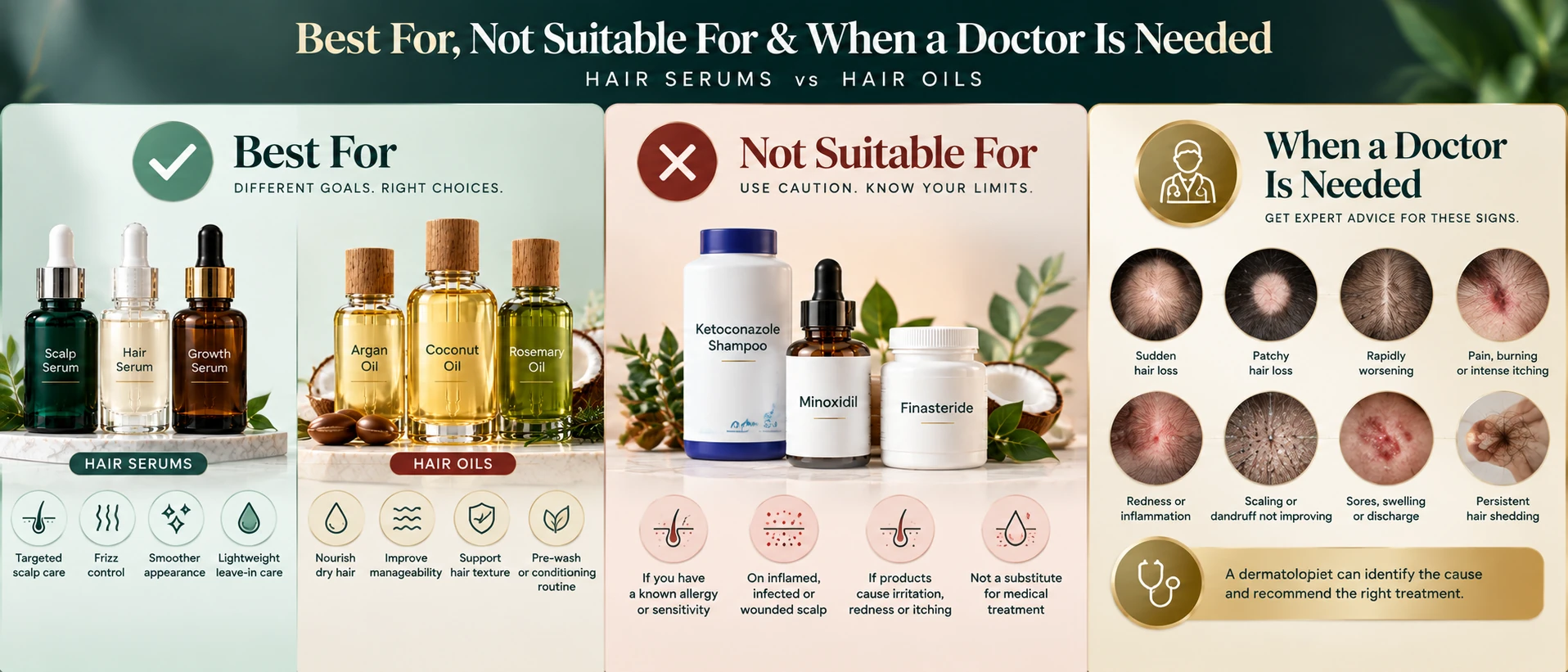
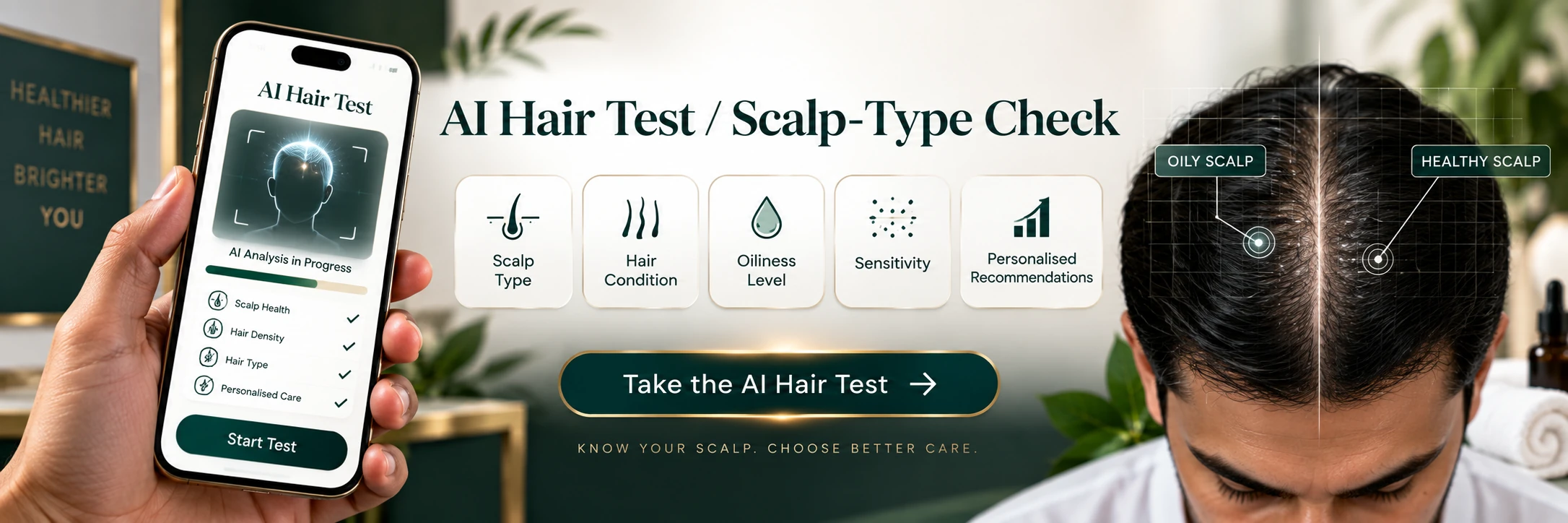
A serum or oil won't fix hair loss or a scalp problem. Don't rely on cosmetics — see a doctor first for any of these.
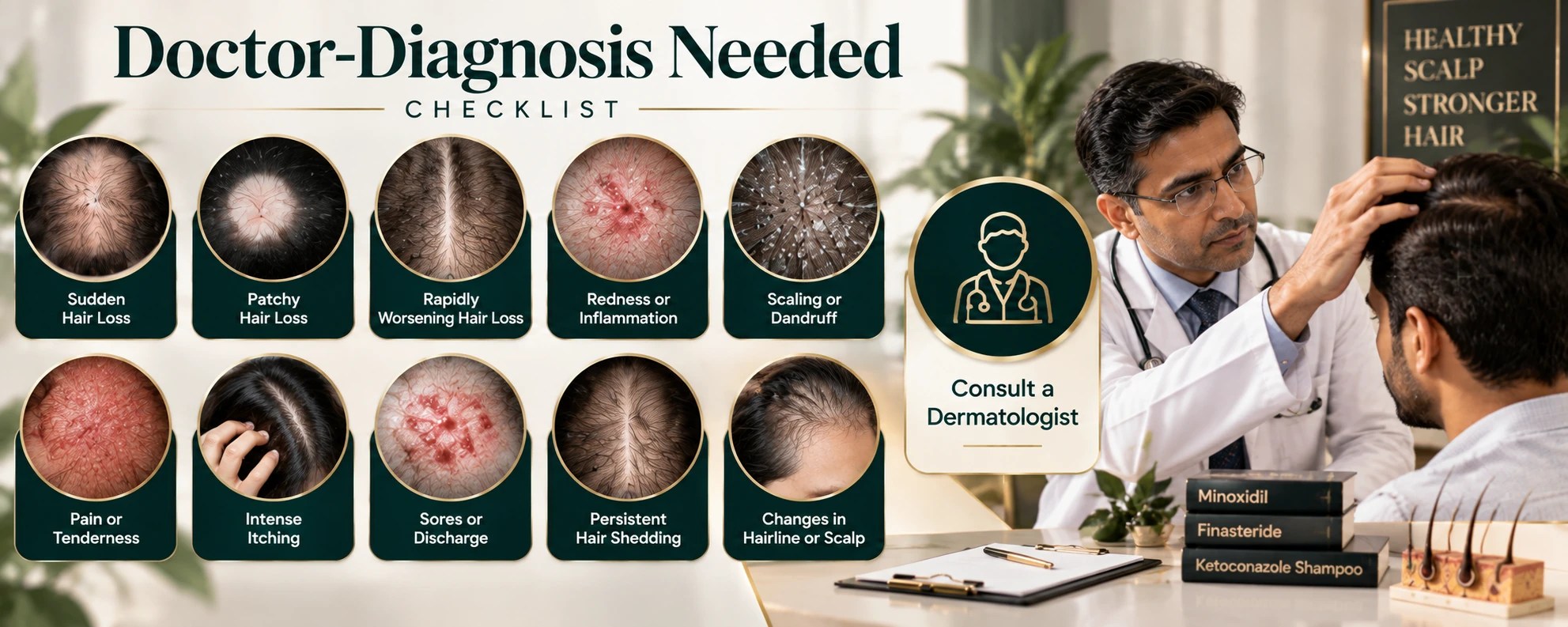
Explore doctor-reviewed categories. Serums and oils are cosmetic and don't cure hair loss. Ingredients, prices, ratings, stock and Rx/OTC badges are placeholders populated dynamically.
Hair serums and hair oils are cosmetic products; they do not cure hair loss, do not regrow hair, and are not a treatment for pattern hair loss or medical causes. They improve how hair looks and feels — choose by scalp type, hair goal, texture preference and tolerance, and many people use both for different jobs. Keep heavy oils off a greasy, very flaky or inflamed scalp, and patch test if your skin is sensitive (essential-oil products may need dilution). We do not fabricate ingredients, prices, ratings, stock, discounts or reviews; these are placeholders populated dynamically from the label and database. If your concern is genuine hair loss — especially sudden, patchy, unexplained or progressing shedding, or an inflamed, sore or infected scalp — see a doctor rather than relying on a cosmetic. Results vary.
Compare other options too, or check what suits you first.
Take AI Hair TestCompare Supplement vs Biotin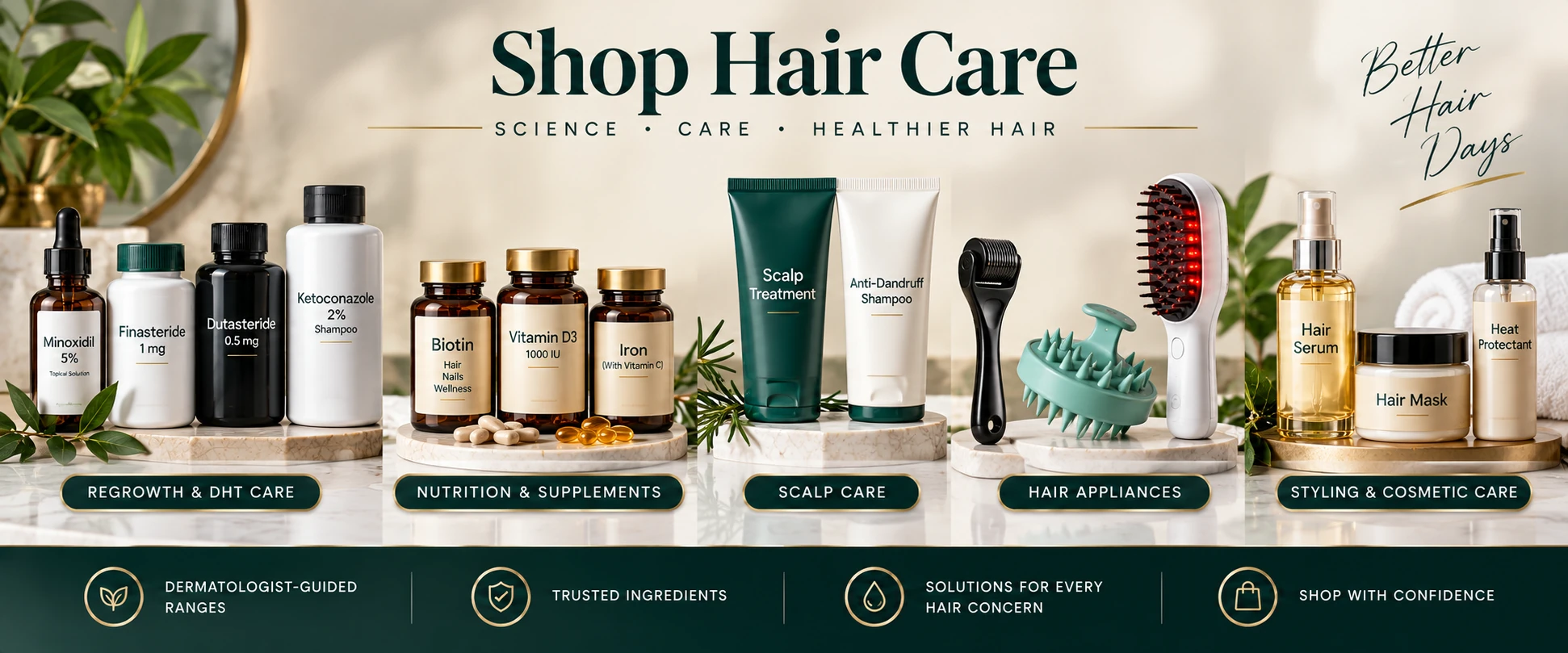
A simple framework for using a serum and/or oil to suit your hair, alongside gentle care. General cosmetic guidance, not a treatment plan — follow the product and your doctor for any medical concern.
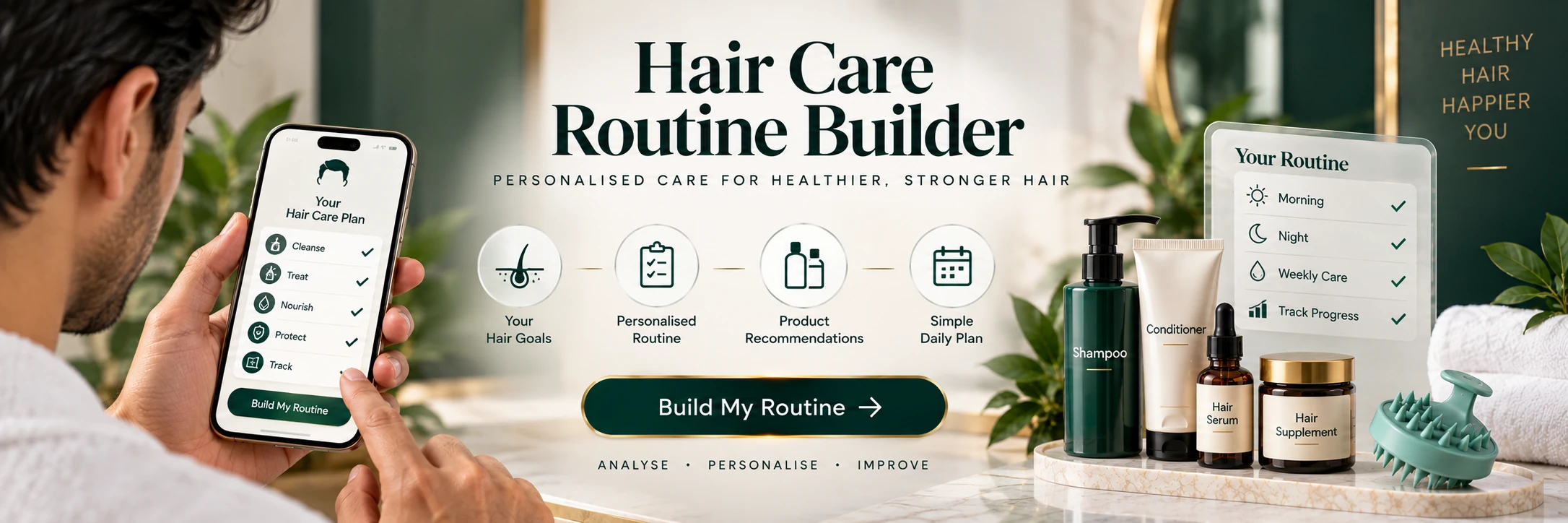
AI Hair Test for scalp type & pattern.
Shedding or scalp issues → see a doctor.
Smoothing/shine vs nourishment.
Doctor for anything unclear.
Lightweight serum on the lengths.
Nourishing oil on lengths & ends.
Oil to nourish, serum to finish.
If your scalp is sensitive.
Most finishing products go on hair, not scalp.
Less is more, especially on fine hair.
Keep heavy oils off greasy/flaky scalp.
Wash out pre-wash oils thoroughly.
Avoid rough brushing and tight styles.
Use the progress tracker.
Shedding concern → reassess with a doctor.
Cosmetics improve look/feel, not regrowth.
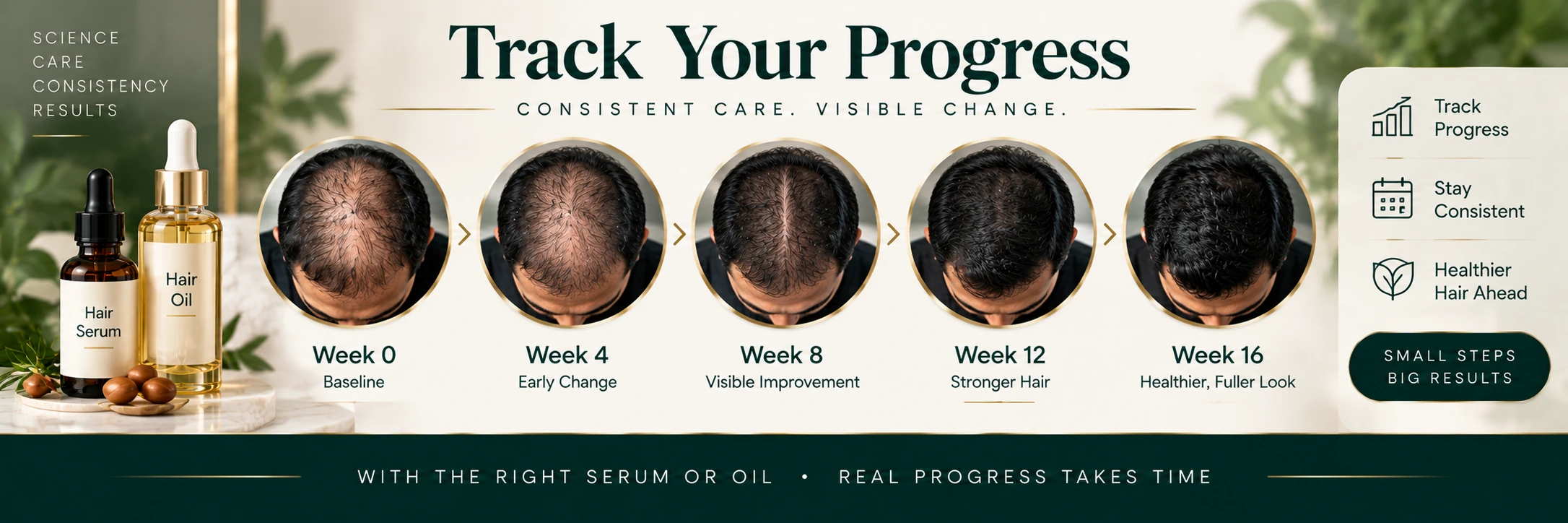
Cosmetic results are about look and feel, so logging dryness, frizz, shine, scalp comfort and any shedding over weeks helps you judge what's working — and flags when a concern is more than cosmetic.
"Serum or oil is genuinely a personal, cosmetic choice. I tell people to think about their hair type and what they want: a lightweight serum is lovely for finer hair, daily smoothing and heat protection, while a richer oil is wonderful for dry, frizzy lengths. There's no need to agonise — many of my patients use both, an oil to nourish and a serum to finish. What I do gently flag is the expectation gap. These are cosmetics; they make hair look and feel better, but they don't regrow hair or treat hair loss. So if someone's real worry is shedding, a thinning crown or a sore, flaky scalp, I'd rather they let me look at the cause than spend months layering finishing products hoping for regrowth. And keep heavy oils off an already greasy or flaky scalp."
Worried it's hair loss, not just dryness? Get the cause checked first.
Consult Dr. Amit's Team
These references are provided for patient education and do not replace a dermatologist’s diagnosis or individual medical advice.
Dermatologist-led overview of how hair loss is evaluated and the evidence behind common treatments.
View AAD reference ›Patient-education summary of common causes of hair loss and when to seek medical care.
View MedlinePlus reference ›Searchable index of peer-reviewed research on hair serums and oils for hair.
Search PubMed ›Independent systematic reviews assessing the evidence behind hair-loss interventions.
View Cochrane Library ›
Question not answered here? Ask Dr Amit for general guidance, or book a consultation.
Ask Dr AmitConsult a DoctorGuidance, not a prescription. Choose by hair type, scalp and goal — and if your real concern is hair loss, get the cause assessed first. Results vary.
If your concern is mild, cosmetic, everyday dryness, frizz or finish, just pick by hair type: a lightweight serum for finer hair, smoothing, shine and heat protection, or a nourishing oil for dry, frizzy lengths — or both for different jobs. Keep heavy oils off a greasy or flaky scalp. If you're unsure whether it's cosmetic, take the AI Hair Test first.
For noticeable shedding, thinning, weak hair, crown thinning, female- or male-pattern thinning, or doctor-confirmed pattern hair loss, a cosmetic serum or oil is at most a comfort add-on, not a treatment. These causes need a doctor-guided approach; a finishing product won't change them.
See a doctor before relying on cosmetics if you have any of: sudden hair fall; patchy hair loss; scalp redness, pus, pain or crusting; severe dandruff or infection; significant or progressing shedding; symptoms of a medical cause such as thyroid issues; pregnancy or breastfeeding; reactions to previous products; or an unclear cause. Assessment comes first.
Explore doctor-reviewed categories suited to your hair, scalp and goal. Cosmetics improve look and feel; they don't cure hair loss or guarantee regrowth.
Unsure where to start? Screen your scalp type and whether your worry is cosmetic or needs a doctor — not just which product is popular. It's a screening aid, not a diagnosis or endorsement.

It depends on your hair type, scalp and goal — and you don't have to choose just one. A lightweight serum suits finer hair, daily smoothing, shine and heat protection; a richer oil suits dry, frizzy lengths and nourishment, and many routines use both. Just keep heavy oils off a greasy or flaky scalp, and patch test if you're sensitive. Above all, keep expectations cosmetic: neither cures hair loss or regrows hair. If your real concern is shedding, a thinning crown, or a sore, flaky scalp, the product choice matters far less than the cause — take the AI Hair Test to screen, and see a doctor for sudden, patchy or unexplained loss or an inflamed scalp. Results vary.
A balanced, dermatologist-reviewed guide to telling Hair Serum and Hair Oil — based on evidence and safety, with no fabricated ratings or guaranteed-regrowth claims.
Signs overlap and can coexist — only a clinician can confirm which you have.
Comparison visual slot · 720×520 WebP
A lightweight leave-in that may carry actives (peptides, caffeine) or smoothing agents.
A richer oil (coconut, argan, castor, rosemary) for the hair shaft and scalp.
Serums are usually lightweight and may carry actives; oils are richer and condition the shaft. Both are cosmetic, not regrowth treatments.
Choose Hair Serum if you want a lightweight finish or an active-carrying step; choose Hair Oil if your hair is dry and needs shaft conditioning or pre-wash care.
Reviewed by: Dr. Amit Agarkar, MD Dermatology
Medical focus: Dermatology, trichology, hair loss, scalp disorders and hair restoration.
Last reviewed: 1 June 2026
Editorial promise: This guide helps you understand the difference; it does not replace a clinical diagnosis.
The Hairsncares editorial team, medically reviewed by a dermatologist experienced in hair and scalp disorders.
Checked for accurate, balanced descriptions of both conditions and clear safety guidance.
To help you understand whether your signs fit Hair Serum or Hair Oil, and when to get a diagnosis.
| Parameter | Hair Serum | Hair Oil |
|---|---|---|
| What it is | A lightweight leave-in that may carry actives (peptides, caffeine) or smoothing agents | A richer oil (coconut, argan, castor, rosemary) for the hair shaft and scalp |
| Evidence level | Cosmetic; active serums are formula-dependent | Cosmetic; conditions the shaft; rosemary has some early evidence |
| Best for | Frizz control, lightweight finish, active delivery | Dryness, shine, pre-wash conditioning |
| Key cautions | Active serums are not medicines | Can build up or worsen oily scalp/acne if overused |
| Doctor guidance | Optional | Optional |
Both are cosmetics — neither is a substitute for medical treatment for hair loss. If shedding persists, get the cause assessed by a dermatologist.
Patch-test new products, especially active serums or essential-oil products, before regular scalp or hair use.
Serums are usually lightweight and may carry actives; oils are richer and condition the shaft. Both are cosmetic, not regrowth treatments.
Neither is automatically better — the right choice depends on your hair type, scalp and goal. Choose Hair Serum if you want a lightweight finish or an active-carrying step; choose Hair Oil if your hair is dry and needs shaft conditioning or pre-wash care.
Yes — many people use an oil for nourishing lengths and a serum for lightweight finishing. Avoid overloading fine hair or applying heavy products to a greasy or flaky scalp.
Both are cosmetics with generally low risk, but patch-test active serums and keep heavy oils off an oily or inflamed scalp. If you have a scalp condition, check with a doctor first.
For persistent, sudden, patchy or unexplained hair loss, yes — a dermatologist diagnosis matters more than the cosmetic product choice.
| Factor | Hair Serum | Hair Oil |
|---|---|---|
| Texture | Light, fast-absorbing | Richer, coats the strand |
| Main role | Actives / smoothing / finishing | Conditioning, shine, pre-wash care |
| Best on | Fine hair, oily scalp | Dry, coarse lengths |
| Watch-out | Patch-test active serums | Keep heavy oils off an oily/flaky scalp |
| Cures hair loss? | No — cosmetic unless medicated | No — cosmetic care |
This matrix is educational and helps you understand which direction may fit your situation. It does not replace a dermatologist diagnosis. Results vary.
The choice is less about which is "better" and more about your hair texture and scalp. Light serums suit fine hair and oily scalps because they finish without weight; richer oils suit dry, coarse lengths that need conditioning. The common mistake is heavy scalp oiling on an oily, flaky or seborrhoea-prone scalp, which can aggravate flaking and itch for many people.
Keep oils mainly on the lengths in that situation, and use serums sparingly. If you are unsure of your scalp type, screen with the AI Hair Test. Explore hair serums and hair oils.
For a medical concern, start with a doctor rather than cosmetics alone.
Screening tools and product links are for education and discovery. They do not diagnose, prescribe or guarantee results, and they do not replace a doctor.
Your cart is empty