💛
Oily Dandruff Support
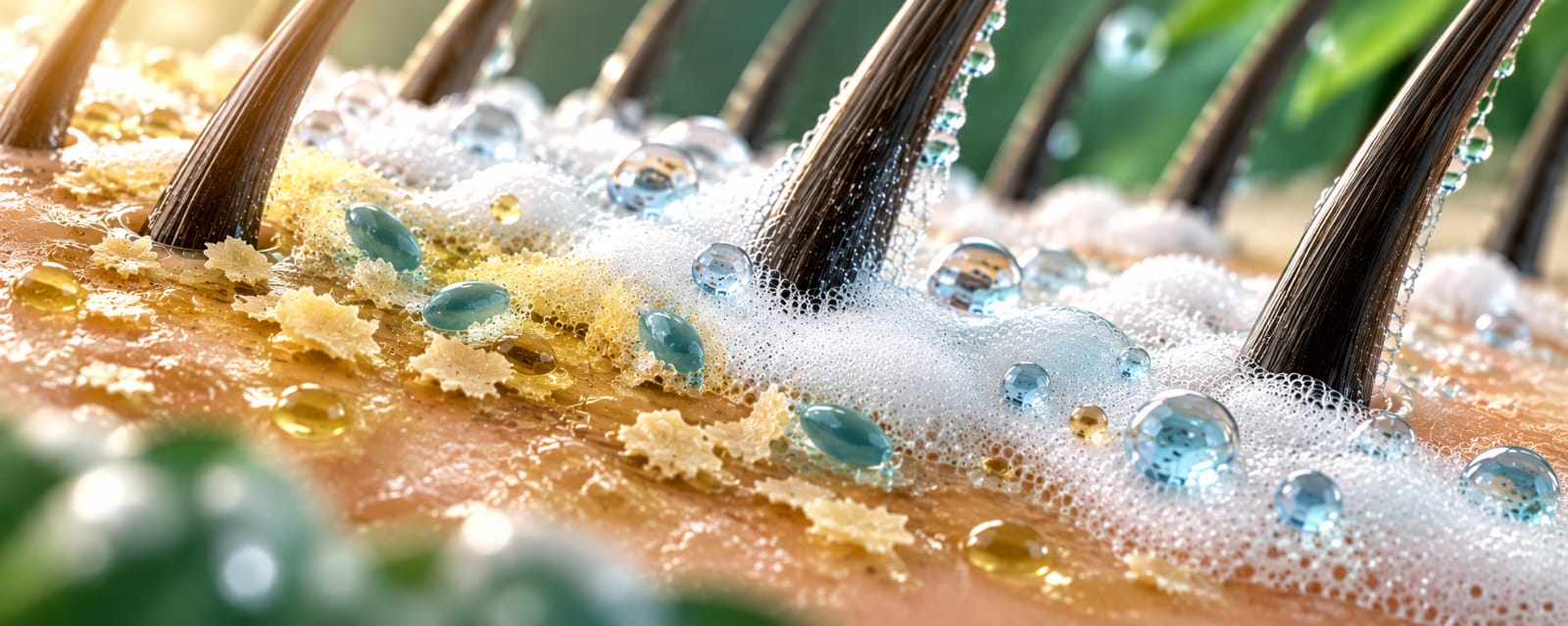
Selenium sulphide is particularly associated with oily dandruff and greasy yellowish flake control. It may support scalp oiliness management in suitable users as part of a correctly timed and thoroughly rinsed routine.
A dermatologist-guided guide to using selenium sulphide shampoo safely — including when it helps oily dandruff, how long to leave it on, how often to use it, side effects, colour-treated hair caution, product selection, and when scalp flakes need medical evaluation.
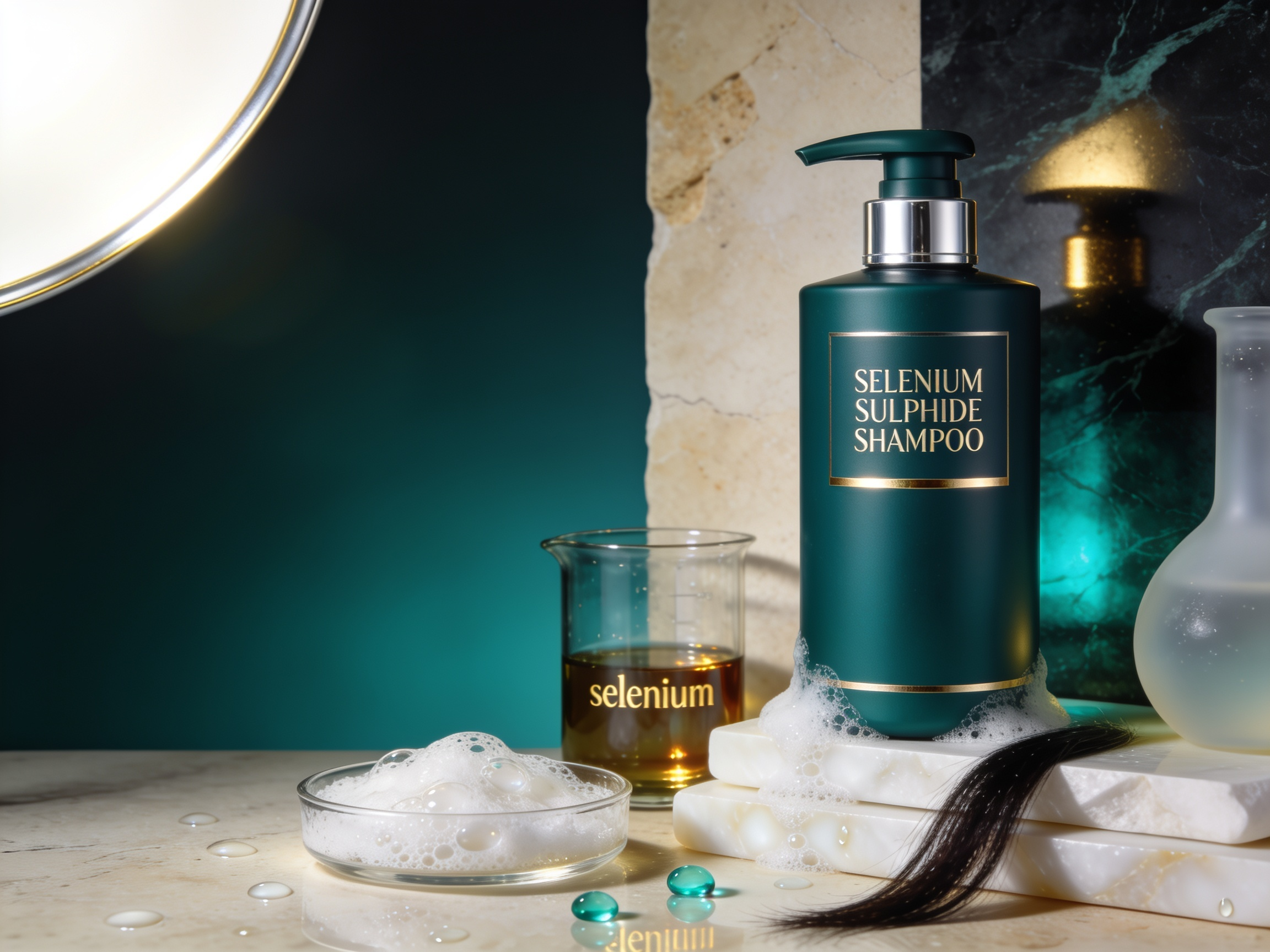
Selenium sulphide shampoo (also spelled selenium sulfide shampoo) is an anti-dandruff shampoo commonly used in oily dandruff, greasy flake, itchy scalp and seborrheic dermatitis-prone scalp routines. It can be effective for suitable users when used with the correct frequency, contact time and thorough rinsing technique — but it is generally stronger than zinc pyrithione and should not be used casually. Selenium sulphide can cause scalp dryness, irritation, residue build-up and has particular caution for colour-treated, bleached, chemically treated or grey/silver hair. It is not a daily cosmetic shampoo for everyone, not a hair growth treatment, and not a cure for every type of scalp flaking. Persistent flakes, thick crusting, scalp pain, pus, bleeding, bald patches, sudden shedding, psoriasis-like plaques or post-transplant scalp symptoms require dermatologist evaluation — not medicated shampoo self-treatment.
What selenium sulphide shampoo can and cannot do for oily dandruff
How selenium sulphide reduces Malassezia and slows skin cell turnover
Selenium sulphide vs ketoconazole vs zinc pyrithione — compared
Best scalp types for selenium sulphide — oily, greasy flaking
Correct usage frequency — it can stain and overdry
Hair colour and selenium sulphide — staining risks on light hair
Side effects — odour, discolouration, and contact dermatitis
When selenium sulphide alone is not enough for your scalp condition
Selenium sulphide shampoo is a medicated antifungal that reduces Malassezia yeast and slows epidermal cell turnover, making it effective for oily, greasy dandruff and seborrheic dermatitis. Available as 1% OTC or 2.5% prescription. It does not treat hair loss, cure psoriasis, or work on dry dandruff types. Can stain light-coloured hair and jewellery. Use 2–3 times per week; rinse thoroughly.
People with oily, greasy dandruff or moderate seborrheic dermatitis who need a strong antifungal and anti-proliferative shampoo. Best for dark hair due to staining risk.
Ketoconazole for resistant dandruff, salicylic acid for thick scales, or prescription treatment for scalp psoriasis. Selenium sulphide is one option in a stepped treatment ladder.
Dandruff does not respond to 4 weeks of use, you develop scalp irritation or allergic reaction, or notice hair loss alongside flaking. Resistant cases need combination therapy or prescription agents.
Dandruff and seborrheic dermatitis involve oiliness, yeast-related factors and scalp inflammation. Selenium sulphide has anti-dandruff and anti-yeast properties that may help reduce greasy flaking in oily-scalp presentations.
Selenium sulphide shampoos may support visible oily flake reduction. This effect is most relevant for greasy, yellowish flakes associated with oiliness — not for dry, fine white scalp flakes, which may worsen.
Selenium sulphide needs correct contact time and very thorough rinsing. Residue on the scalp or hair is a major contributor to dryness, irritation, odour and discoloration concerns on colour-treated hair.
Recurrent oily dandruff may require ongoing maintenance, periodic treatment courses or rotation with gentler actives between uses. Severe or repeatedly relapsing dandruff warrants dermatologist evaluation.
Benefits apply when scalp symptoms match oily dandruff or greasy flaking presentations. Dry scalp, psoriasis, eczema or infection need different care. Medical red flags require professional evaluation.
Selenium sulphide is particularly associated with oily dandruff and greasy yellowish flake control. It may support scalp oiliness management in suitable users as part of a correctly timed and thoroughly rinsed routine.
May suit oily scalp with sticky, yellowish or greasy flakes better than fine dry white flakes. Dry scalp flaking may worsen with selenium sulphide if the cause is not oiliness or yeast-related factors.
May help reduce itch linked with oily dandruff and scalp oiliness. Persistent itch with redness, pain, pus or hair loss requires dermatologist diagnosis rather than continued medicated shampoo self-treatment.
Can form part of doctor-guided seborrheic dermatitis management for oily presentations. Moderate-to-severe seborrheic dermatitis may need ketoconazole or prescription therapy and dermatologist oversight.
May be useful when milder actives such as zinc pyrithione have been insufficient for oily recurrent dandruff. However, greater potency brings greater dryness and irritation risk — overuse is counterproductive.
AI Scalp Test can evaluate whether selenium sulphide, ketoconazole, zinc pyrithione, salicylic acid or mild shampoo is most suitable given your flake type, oiliness, scalp colour-treated hair status and medical history.
Many patients ask whether Selenium Sulphide Shampoo alone can solve their hair concerns. The honest answer: shampoo is a wash-off product that stays on the scalp for a short time. It can support scalp cleanliness, comfort and anti-dandruff — but it cannot treat root-level hair loss, hormonal imbalance, nutritional deficiency or conditions that need prescription treatment. A good shampoo works best as part of a complete routine, not as a standalone cure.

Selenium sulphide may cause discoloration concerns in colour-treated, bleached, chemically treated or grey/silver hair if not rinsed very thoroughly. Rinse more carefully than you would with a regular shampoo. Follow product label guidance and consult your hairdresser or dermatologist before use on coloured or chemically processed hair.
Primary use case. Oily scalp with greasy yellowish flakes — selenium sulphide's oily flake-control properties are best matched to this scalp pattern.
Best MatchRecurrent oily flakes that return after milder shampoos — selenium sulphide may offer stronger support when zinc pyrithione alone has not been sufficient.
Good MatchCan support oily seborrheic dermatitis-prone scalp routines when used correctly. Severe cases warrant dermatologist guidance rather than self-treatment.
May SuitUse with care and rinse very thoroughly. Selenium sulphide residue on colour-treated hair may cause discoloration concerns. Consult hairdresser or dermatologist first.
Colour CautionSelenium sulphide can be irritating for sensitive scalps. Start with minimal contact time, rinse thoroughly and reduce frequency if dryness or discomfort occurs.
Use CautionAsk your obstetrician or dermatologist before using selenium sulphide shampoo during pregnancy or breastfeeding.
Medical ClearanceDry scalp flaking does not benefit from selenium sulphide and may worsen with it. Moisturising or barrier-friendly shampoo is more appropriate for dry scalp.
Not IdealNever use selenium sulphide or any medicated shampoo on a post-transplant scalp without explicit clearance from your hair transplant surgeon.
Surgeon ClearanceMedical red flags requiring dermatologist evaluation. Medicated anti-dandruff shampoo is not appropriate self-management for these presentations.
See DoctorSelenium sulphide is the only shampoo in this series with a 10-step HowTo — because reading the product label and thorough rinsing are distinct, critical steps that earn their own position.
Do not combine selenium sulphide shampoo with minoxidil, steroid lotions, multiple medicated scalp products or post-transplant scalp care without dermatologist guidance.
Use selenium sulphide for oily dandruff or greasy flake routines — not dry scalp or every flake type. Dry scalp flaking may worsen with this active. If uncertain about your flake type, consult a dermatologist or take the AI Scalp Test before starting.
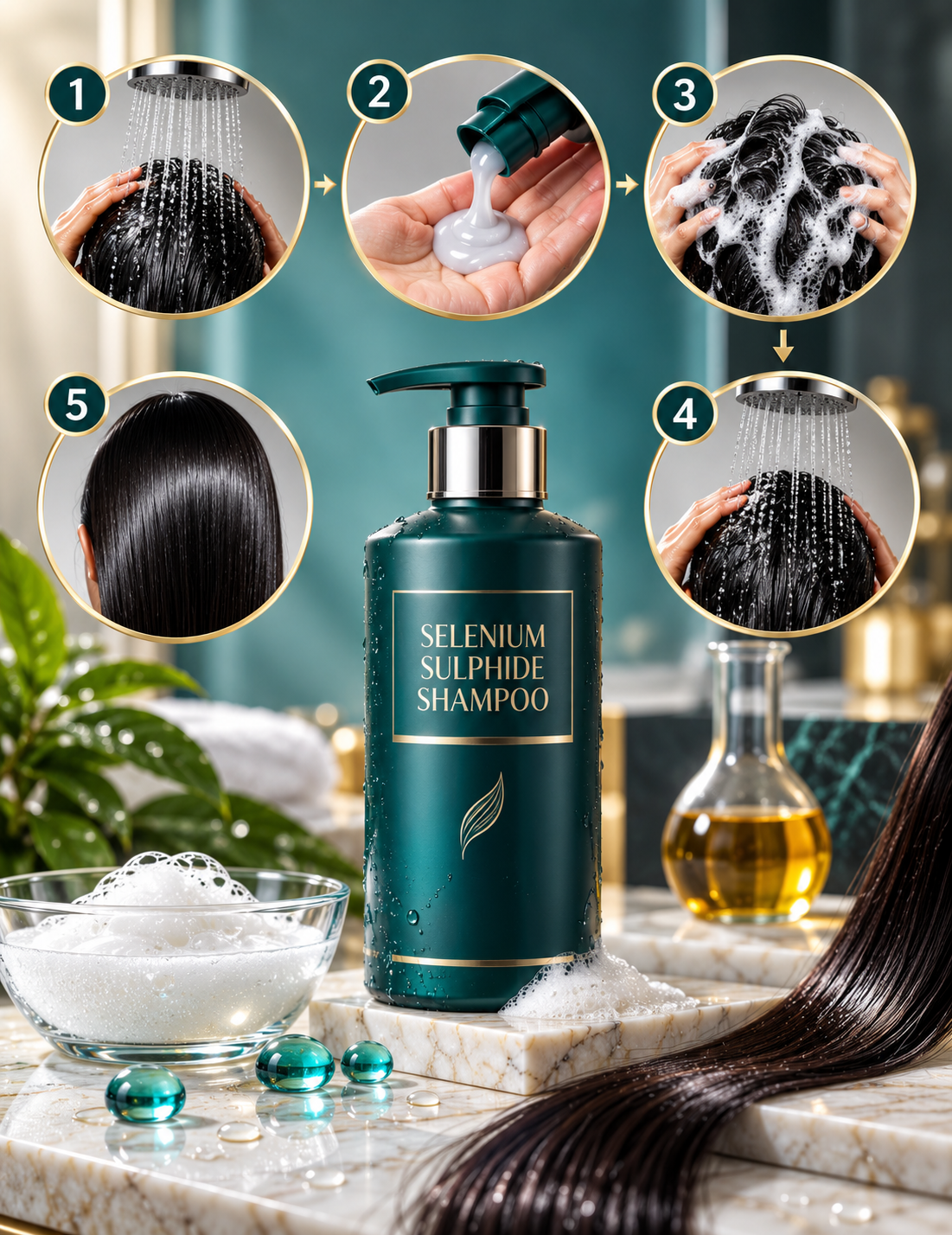
Some selenium sulphide products may require shaking before use and have specific contact-time, frequency and rinsing instructions. Follow the label or your dermatologist's advice — these instructions exist for a reason.
Use lukewarm water to fully wet scalp and hair. Hot water can worsen scalp irritation or itch in an already inflamed or oily-dandruff scalp.
Focus on roots and scalp. Avoid heavy application on dry, damaged, bleached or colour-treated hair lengths — the active is needed at the scalp, not along the hair shaft.
Use slow circular movements. Do not scratch or rub the scalp aggressively. Avoid scratching active flakes — this increases inflammation and secondary infection risk.
Leave on only for the product label or doctor-recommended contact time. Longer contact time does not equal better results and significantly increases dryness, irritation and residue risk.
Rinse more carefully than with any other shampoo. Selenium sulphide residue on scalp and hair causes dryness, odour, irritation and discoloration concerns on colour-treated hair. Rinse until you are certain no residue remains.
Apply conditioner only to mid-lengths and ends if hair feels dry. Do not apply to the scalp. Conditioner on an oily or dandruff-prone scalp counteracts the shampoo's effect.
Follow product label or dermatologist advice on frequency. Do not use daily unless specifically advised. Overuse causes dryness, barrier disruption and scalp sensitivity.
Monitor scalp and hair for 24–48 hours after each wash. Stop immediately and consult a doctor if burning, redness, rash, swelling, worsening flakes, pus, unusual hair dryness, discoloration concern or increased shedding occurs.
If your hair is colour-treated, bleached, chemically treated or grey/silver, rinse extremely thoroughly after selenium sulphide shampoo use. Residue on treated hair may cause discoloration concerns. Consult your hairdresser or dermatologist before adding selenium sulphide to a coloured-hair routine.
Burning, severe redness, rash, swelling of face or eyes, pus, painful scalp, worsening flakes, significant dryness, unusual hair discoloration, or sudden significant hair shedding. Consult a dermatologist before resuming.
The most common shampoo mistake is rushing the process. Apply to the scalp (not just hair lengths), massage gently with fingertips (never nails), follow the recommended contact time if it is a medicated shampoo, and rinse thoroughly. Incomplete rinsing is a leading cause of scalp irritation and product buildup that patients often blame on the shampoo itself.
Key principle: Follow your product label or dermatologist's advice. Frequency and contact time vary by formulation strength, scalp condition, hair type and individual tolerance. Overuse causes more problems than it solves.
Oily dandruff, greasy flakes. Stronger active — can be drying. Rinse very thoroughly every use.
Yeast-linked dandruff, seborrheic dermatitis. Antifungal. Not daily for everyone.
Mild-to-moderate dandruff and maintenance. Gentler — often suitable for ongoing routine use.
Scalp buildup, thick flakes. May dry sensitive scalp if overused.
Non-medicated wash days. Scalp barrier support between selenium sulphide washes.
Overuse caution: Selenium sulphide is stronger than zinc pyrithione. Using it too frequently or leaving it on too long can cause scalp dryness, barrier disruption, irritation, residue and potential issues for colour-treated hair. Consistent correct use outperforms maximum-frequency use every time.
| Active | Best For | Main Role | Scalp Type | Key Caution |
|---|---|---|---|---|
| Selenium Sulphide | Oily dandruff, greasy flakes, recurrent flaking | Strong anti-dandruff, anti-yeast | Oily scalp; avoid dry/sensitive scalp | Can dry hair/scalp; odour; colour-treated hair caution; not daily |
| Ketoconazole | Yeast-linked dandruff, seborrheic dermatitis | Antifungal — targets Malassezia | Oily to normal; not daily for everyone | Follow label/doctor frequency |
| Zinc Pyrithione | Mild-to-moderate dandruff, maintenance | Anti-dandruff, scalp balance | Oily to normal; gentler for maintenance | Not for all flake types |
| Salicylic Acid | Scalp buildup, thick flakes | Keratolytic — removes flake buildup | Flaky to oily; caution on dry/sensitive scalp | Not antifungal; can over-dry |
| Piroctone Olamine | Dandruff-prone scalp, maintenance | Anti-dandruff, antimicrobial | Most scalp types | Less clinical evidence vs ketoconazole |
| Coal Tar | Thick scaling, psoriasis-like conditions | Slows scalp cell turnover | Doctor guidance required | Smell, staining, photosensitivity, irritation |
| Mild Daily Shampoo | Non-medicated wash days, barrier support | Scalp hygiene, barrier maintenance | All scalp types | Not anti-dandruff; not a treatment alone |
The right choice depends on your dandruff type, scalp oiliness, sensitivity, hair colour treatment status and history. A dermatologist can advise the best approach for your specific scalp.
All products require correct use, contact time and thorough rinsing. Follow product label or dermatologist instructions. Not hair regrowth treatments. Rinse very thoroughly — especially on colour-treated hair. Prices on individual product pages.
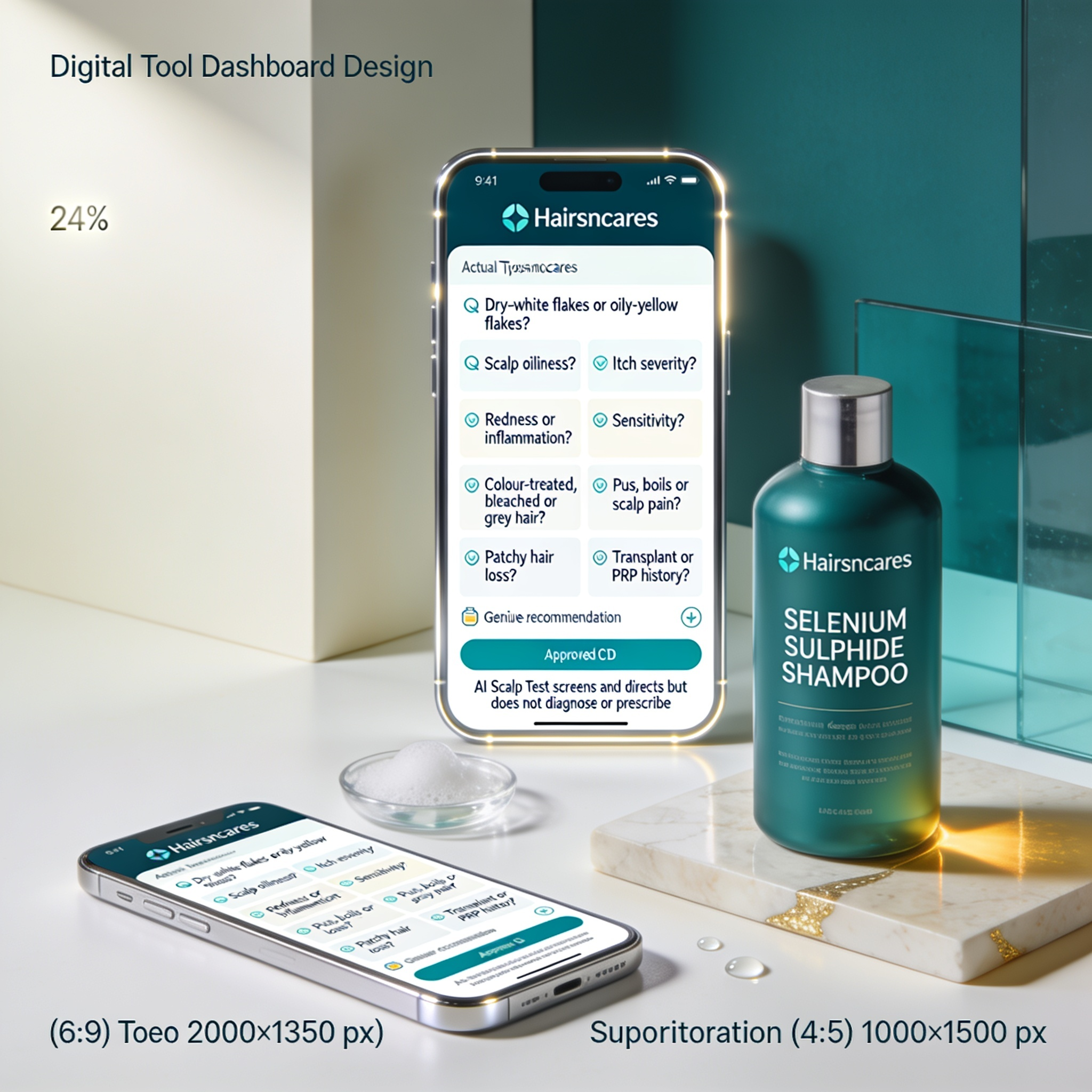
Our AI Scalp Test evaluates flake type, scalp oiliness, itch, redness, sensitivity, colour-treatment status, hair fall pattern, product history and medical history to match you with the right anti-dandruff active — or flag when dermatologist care is needed first.
AI screening only. Does not diagnose, prescribe or replace dermatologist evaluation.
Significant burning or worsening redness after selenium sulphide use — stop immediately and consult a doctor before resuming any medicated shampoo.
Skin rash or swelling of scalp, face or eyes after use may indicate allergic contact reaction. Stop use and seek medical attention promptly.
Any unexpected change in hair colour or appearance after selenium sulphide use — especially on colour-treated, bleached, grey or silver hair — requires advice from your hairdresser or dermatologist.
Signs of possible scalp infection requiring medical diagnosis. Anti-dandruff shampoo self-management is not appropriate for these presentations.
Scalp pain during or after shampooing is a red flag requiring dermatologist evaluation — not continued anti-dandruff shampoo use.
Bald patches or sudden heavy shedding need dermatologist evaluation to identify the cause. Anti-dandruff shampoo alone is not appropriate management.
Rinse extremely thoroughly after every use. If hair discoloration, unexpected tonal changes or dryness occur on colour-treated hair, stop use and consult your hairdresser or dermatologist.
Ask your obstetrician or dermatologist before using selenium sulphide shampoo during pregnancy or breastfeeding. Medical guidance is advisable before medicated shampoo use.
Child scalp scaling needs proper diagnosis before any medicated shampoo — including selenium sulphide. Doctor guidance required.
Never use selenium sulphide or any medicated shampoo on a post-transplant scalp without explicit clearance from your hair transplant surgeon.
If you notice increased itching, redness, burning, pimples on the scalp, or worsening flakes after using selenium sulphide shampoo — stop immediately. These are not signs of “scalp detox” or “purging.” They may indicate irritation, allergy, contact dermatitis or worsening of an existing scalp condition. Consult a dermatologist before resuming.
Selenium sulphide shampoo grows hair.
Selenium sulphide may improve dandruff-prone scalp condition in oily-dandruff users, but it is not a proven standalone hair-regrowth medicine and should not replace evidence-based hair loss treatment.
All flakes need selenium sulphide.
Dry scalp flaking may worsen with selenium sulphide. Psoriasis, eczema, product buildup and infections also require different treatment. Matching the active to the correct flake type matters.
Daily use gives faster results.
Selenium sulphide is stronger than zinc pyrithione. Daily use may cause significant scalp dryness, barrier disruption, irritation and worsening hair quality. Correct frequency outperforms maximum frequency.
Selenium sulphide and ketoconazole are the same.
They are different actives. Ketoconazole is a specific antifungal. Selenium sulphide is primarily an anti-dandruff and antiyeast active with particular oily-flake control properties. They may suit different scalp presentations.
Dandruff is only poor hygiene.
Dandruff involves scalp oiliness, yeast-related factors, inflammation, climate, stress, hormones and scalp sensitivity. Hygiene alone does not prevent oily dandruff.
If selenium sulphide irritates, anti-dandruff treatment is impossible.
A dermatologist can switch to a gentler active (zinc pyrithione, ketoconazole), adjust frequency, investigate whether the diagnosis is actually dandruff, or prescribe appropriate treatment for a different scalp condition.
Still unsure whether selenium sulphide shampoo is right for your scalp?
Ask a Hair Doctor →Use real authority URLs only — AAD, MedlinePlus, NCBI Bookshelf, Mayo Clinic, NHS or peer-reviewed journals. All external links open in a new tab.
AAD clinical guidance on anti-dandruff shampoo actives, seborrheic dermatitis treatment and when to consult a dermatologist for persistent or severe scalp symptoms.
MedlinePlus patient information on selenium sulfide (selenium sulphide) — usage, precautions, side effects and important safety information including caution for colour-treated hair.
Authoritative guidance on hair loss types and evidence-based treatment — context for understanding that selenium sulphide shampoo is not a hair loss treatment.
Comprehensive dermatology reference on seborrhoeic dermatitis — including clinical features, anti-dandruff active options and when medical evaluation is necessary.
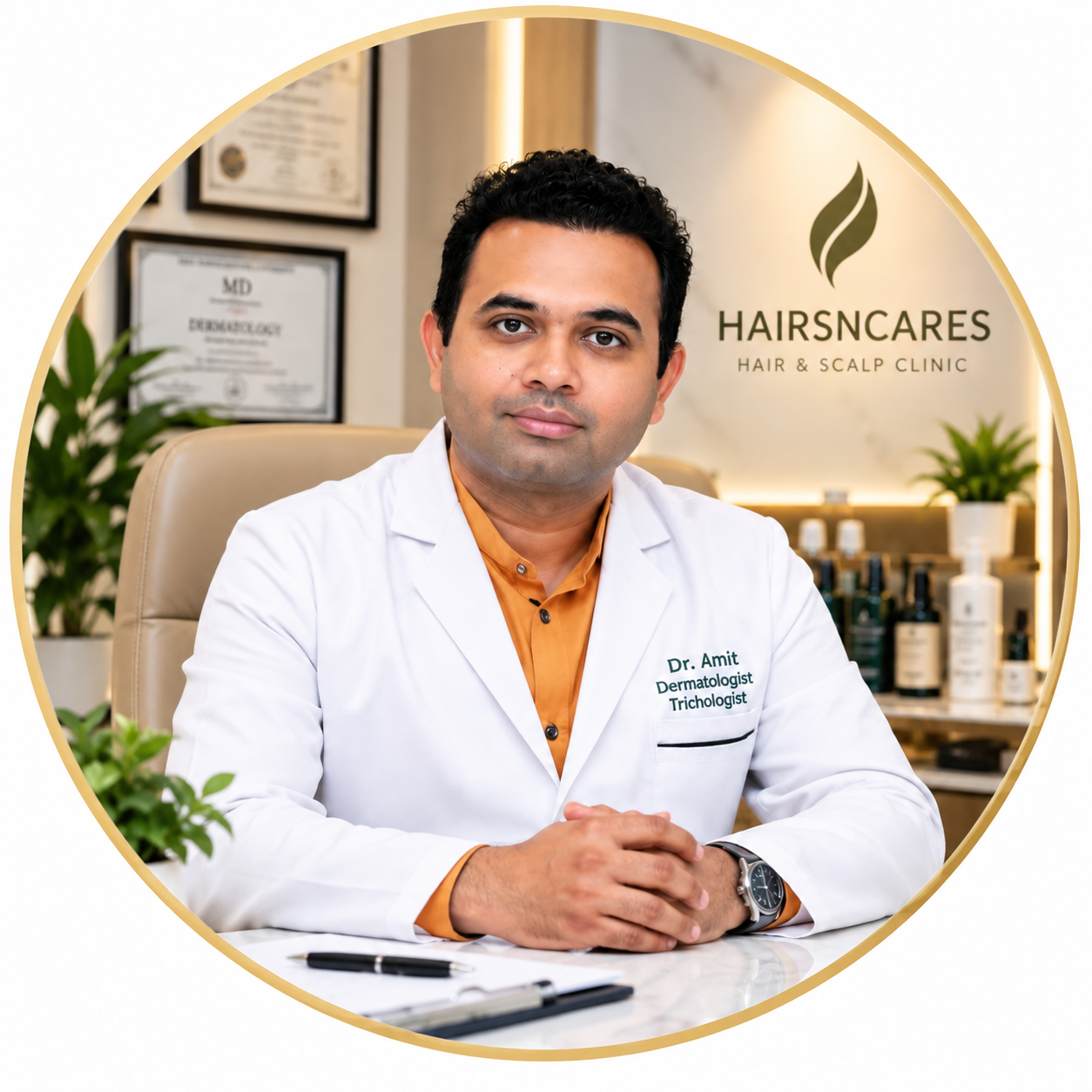
Selenium sulphide shampoo (selenium sulfide shampoo) is an anti-dandruff shampoo used in oily dandruff, greasy flakes, itchy scalp and seborrheic dermatitis-prone scalp routines. It does not diagnose, treat, cure or prevent all scalp diseases or medical hair loss. It should not replace dermatologist evaluation for severe dandruff, painful scalp, pus, crusting, bald patches, sudden shedding, scalp psoriasis, eczema, infection, PCOS-related hair fall, thyroid-related hair fall, postpartum shedding or medication-related hair fall. Use as per product label or doctor guidance and rinse thoroughly. Stop if irritation, allergy symptoms, severe dryness or discoloration concerns occur. Special caution for colour-treated, bleached, chemically treated or grey/silver hair — rinse very thoroughly and follow product label guidance. This guide has been reviewed by Dr. Amit Agarkar, MD Dermatology, Hairsncares.
Take the AI Scalp Test to find your anti-dandruff match — or consult a dermatologist for personalised guidance on selenium sulphide shampoo, contact time and frequency.
Your cart is empty