 -18%
-18%AI-PERSONALISED DANDRUFF & SCALP ROUTINE
Dandruff Control Routine: Doctor-Reviewed Morning, Night & Weekly Scalp Care Plan
Dandruff control needs the right scalp routine, not just random shampoo use. Oily dandruff, dry flakes, itchy scalp, seborrheic-prone scalp, product buildup and scalp sensitivity all need different product choices. This routine helps you build a structured plan with shampoo, scalp support, ingredient logic and progress tracking. It may support a dandruff-prone scalp — it does not permanently cure dandruff, and the wrong routine can worsen dryness or delay diagnosis. Screen your scalp first with the AI Scalp Test. Results vary.
- ✓ Morning, night & weekly scalp plan
- ✓ Matched to flake type & scalp type
- ✓ Ketoconazole / zinc pyrithione / salicylic logic
- ✓ Tea tree only diluted; never undiluted
- ✓ Painful / patchy / child scalp → see a doctor
This routine, at a glance
🪒
Dandruff ControlMorning / night / weekly
☀️
MorningScalp check, avoid triggers, lotion if suitable
🌙
NightIrritation check, leave-on if suitable, no heavy oil
📅
WeeklyMedicated wash schedule, exfoliate if tolerated
BundleAnti-dandruff shampoo + scalp care
ScalpFirst
2–24wkTimeline
MDReviewed
Related routines
🩺
Reviewed by Dr. Amit AgarkarMD Dermatology · Dermatologist & Hair Specialist
Illustrative sample. The goal is manageability, scalp comfort and photo-readiness, not guaranteed density, shine or wedding-date results. AI tools screen and do not diagnose; results vary.
🩺
Doctor-reviewedMD Dermatology⚡
AI Scalp Testfree📷
Scalp trackingflake / itch / oil⚖️
Honest claimsmanaged, not cured🚚
India-widedeliveryQuick Answer
What does a good dandruff control routine include?
A suitable anti-dandruff shampoo used as directed, matched to whether you have oily dandruff, dry flakes or a sensitive scalp, plus gentle scalp care, no heavy oiling on a flaky scalp, and tracking of how flakes and itching respond. Established actives like ketoconazole, zinc pyrithione or piroctone olamine control oily/recurrent dandruff; salicylic acid helps buildup; tea tree oil is cosmetic and must be diluted, never neat. This routine may support a dandruff-prone scalp — it does not permanently cure dandruff (it is managed, not cured), and the wrong routine can worsen dryness or delay diagnosis. See a doctor for scalp pain, pus, crusting, bleeding, thick plaques, severe redness, patchy hair loss, a child's scalp scaling, suspected fungal infection or psoriasis, or no improvement despite correct use. Screen with the AI Scalp Test. Results vary.
Dandruff is managed, not permanently cured — and the wrong routine can make it worse. Identify whether flakes are oily dandruff, dry scalp, seborrheic dermatitis, psoriasis-like scaling or a fungal infection, because each needs a different approach. Ketoconazole is doctor-guided for severe symptoms; tea tree oil must never be used undiluted. See a doctor for scalp pain, pus, crusting, bleeding, thick plaques, severe redness or swelling, patchy hair loss, a child's scalp scaling, suspected fungal infection or scalp psoriasis, or no improvement despite correct product use. AI suggestions are screening, not diagnosis or prescription.
Scalp-first routine for flakes, oiliness, dryness or comfort. It may support symptoms but does not cure scalp disease.
AI Summary
The Dandruff Control Routine in Simple Terms
The Dandruff Control Routine. A scalp-first routine with a shampoo schedule and scalp care for flakes and itch; dandruff is managed and kept under control rather than permanently cured.
The right routine depends on your hair-fall pattern, scalp symptoms, hair type, product history, styling exposure, medical history and whether the concern is root-related, scalp-related or hair-shaft-related.
Bottom line: use this page to understand the routine structure, product logic, safety checks and tracking plan, then take the AI Scalp Test before building your personalised routine. Results vary.
Who It Suits
Who This Routine Suits
✓
Mild dandruff
✓
Recurrent dandruff
✓
Oily flakes
✓
Itchy scalp with flakes
✓
Flaky scalp with buildup
✓
Dandruff-related hair fall (itch / scratch)
✓
Seborrheic-prone scalp support
✓
Users needing AI Scalp Test guidance
When a Routine Is Not Enough
Not Suitable For / Doctor Red Flags
This routine is not enough for scalp pain, pus, crusting, bleeding, thick plaques, severe redness or swelling, patchy hair loss, a child's scalp scaling, suspected fungal infection, scalp psoriasis, scalp folliculitis, scarring alopecia suspicion, fever, or no improvement despite correct product use. These need a dermatologist — the wrong dandruff routine can worsen dryness or delay diagnosis.
Any of these apply? A routine is not a substitute for diagnosis.
Ask a Hair DoctorTake the AI Hair TestStep by Step
Morning Routine
Work to your timeline, protect the scalp, and support texture gently.
1
Scalp check
Note whether flakes are oily and yellow or dry and white, your itching level, and any redness or burning, and track a simple dandruff score.
⚠️ Avoid: Treating every flake as oily dandruff
2
Avoid scalp triggers
Avoid heavy oiling if you have oily dandruff, avoid scratching, and avoid product buildup that worsens flaking.
⚠️ Avoid: Heavy oiling or scratching a flaky scalp
3
Scalp serum / lotion (if suitable)
Use a tolerated leave-on scalp serum or anti-dandruff lotion where suitable. Avoid leave-ons on broken or inflamed scalp unless a doctor advises.
⚠️ Avoid: Applying leave-ons to broken or inflamed scalp
4
Hair-length care
If an anti-dandruff shampoo dries the hair, use conditioner on the lengths only, kept off the scalp.
⚠️ Avoid: Conditioner on an oily scalp
5
Track symptoms
Log flake, itching and oiliness scores, and any dandruff-related hair fall, in the Scalp Progress Tracker.
Step by Step
Night Routine
Calm the scalp, smooth the lengths, and avoid last-minute experiments.
1
Itching & irritation check
If severe itching, burning or redness appears, stop the irritating product rather than pushing on.
⚠️ Avoid: Continuing a product that irritates
2
Leave-on lotion / scalp serum (if suitable)
Apply a leave-on anti-dandruff lotion or scalp serum as the label directs, avoiding eyes and broken skin, and do not layer multiple scalp actives.
⚠️ Avoid: Layering multiple scalp actives at once
3
Avoid heavy oiling
Avoid heavy scalp oiling, especially with oily dandruff or a seborrheic-prone scalp, since it can worsen flaking.
⚠️ Avoid: Overnight heavy scalp oiling on oily dandruff
4
Pillow & hygiene support
Change your pillow cover regularly and avoid sleeping with a sweaty scalp.
Weekly Plan
Weekly Routine
Wash, mask and plan salon work early — never experiment near the date.
1
Mild dandruff wash plan
Use an anti-dandruff shampoo 1–2 times weekly as the label suggests, with a gentle shampoo on other wash days.
⚠️ Avoid: Overusing medicated shampoo
2
Oily / recurrent dandruff
Use more consistent cleansing with a ketoconazole, zinc pyrithione or piroctone olamine product depending on suitability.
⚠️ Avoid: Ignoring recurrence or stacking actives
3
Dry flakes pathway
Avoid overusing harsh anti-dandruff products on dry flakes; consider a dry-scalp pathway instead.
⚠️ Avoid: Harsh medicated shampoo on a dry scalp
4
Buildup / exfoliation (only if tolerated)
Use a salicylic-acid product or gentle exfoliation only if there is buildup and the scalp is not inflamed.
⚠️ Avoid: Exfoliating an inflamed or broken scalp
5
Weekly tracker & review
Track flake, itching, oiliness and redness scores and product tolerance; review with a doctor if symptoms persist, recur or worsen.
⚠️ Avoid: Ignoring scalp redness, pus or no-improvement
Shop the Routine
Dandruff Control Routine Kits
Curated kits for this routine. Patch-test new products and avoid new strong actives without guidance. Prices, stock and ratings load from the catalogue.
Kits coming soon
Curated kits for this concern aren't ready just yet. Browse the full Hairsncares shop to build the routine that fits your needs.
Browse all productsProduct image, name, key ingredients, best-for tags, scalp type, doctor-guided badge, price, stock, ratings and reviews are dynamic placeholders from the official label and database — we do not fabricate product data. Ketoconazole and similar are doctor-guided for severe symptoms. Add-to-cart, compare and add-to-routine wire to the backend.
Why These Ingredients
Why These Ingredients
Bridal ingredients focus on smoothness, shine, scalp comfort and breakage support — introduced early and patch-tested, never as last-minute strong actives.
✓
Ketoconazole
Antifungal for selected recurrent or oily dandruff and seborrheic-prone scalps.
✓
Zinc Pyrithione / Piroctone Olamine
Well-established anti-dandruff actives for flake and oil control depending on the formula.
✓
✓
Niacinamide / Panthenol
Scalp-comfort and barrier support, useful for a sensitive or irritated scalp.
✓
Tea Tree Oil
Cosmetic scalp-freshness support in some formulated products — never undiluted.
What to Expect
Wedding Timeline
Start early for real change; taper to gentle maintenance near the date. Results vary.
2 Weeks
Early response
- Itching may reduce if the product fits
- Flakes may start reducing
- Dryness or irritation must be checked
- Severe symptoms need a doctor
6 Weeks
Pattern clearer
- Recurrent dandruff pattern becomes clearer
- Product frequency may need adjusting
- Itch / scratch-related hair fall may improve
- Persistent flakes need reassessment
3 Months
Maintenance
- Plan a maintenance routine
- Repeated return may mean seborrheic dermatitis
- Compare scalp photos & dandruff score
- Refine frequency to keep control
6 Months
Long-term control
- Focus on recurrence prevention
- Simplify the routine if stable
- Escalate if frequent flares continue
- Use the tracker report for a doctor review
Avoid These
Mistakes to Avoid
Treating every flake as dandruff
Overusing medicated shampoo
Heavy oiling on an oily dandruff scalp
Scratching the scalp aggressively
Using a scalp exfoliator on an inflamed scalp
Ignoring dry scalp (treating it as dandruff)
Ignoring thick plaques
Ignoring patchy hair loss
Using multiple active shampoos together
Stopping too early
Applying conditioner on an oily scalp
Not washing out sweat / product buildup
Ignoring scalp redness or pus
Using essential oils undiluted
Not tracking recurrence
AI Routine Builder
Build a Routine Based on Your Profile
Tell us your concerns and get a personalised routine with a safe timeline, bundle, ingredient logic and doctor-consult flag.
You tell us
- Flake type: oily / dry / mixed
- Itching, redness or burning
- Oiliness & buildup
- Dandruff-related hair fall
- Scalp sensitivity
- Recurrence pattern
- Product tolerance
You get
- Morning, night & weekly routine
- Scalp product bundle
- Ingredient logic
- Doctor-consult flag
- Scalp progress-tracker plan
Track Flakes, Itching, Oiliness & Scalp Comfort
Record scalp photos and track flake, itching, oiliness and redness scores, product tolerance and an improvement score at 2 weeks, 6 weeks, 3 months and 6 months. It supports self-monitoring — it does not diagnose or replace a doctor.
Shop the Routine
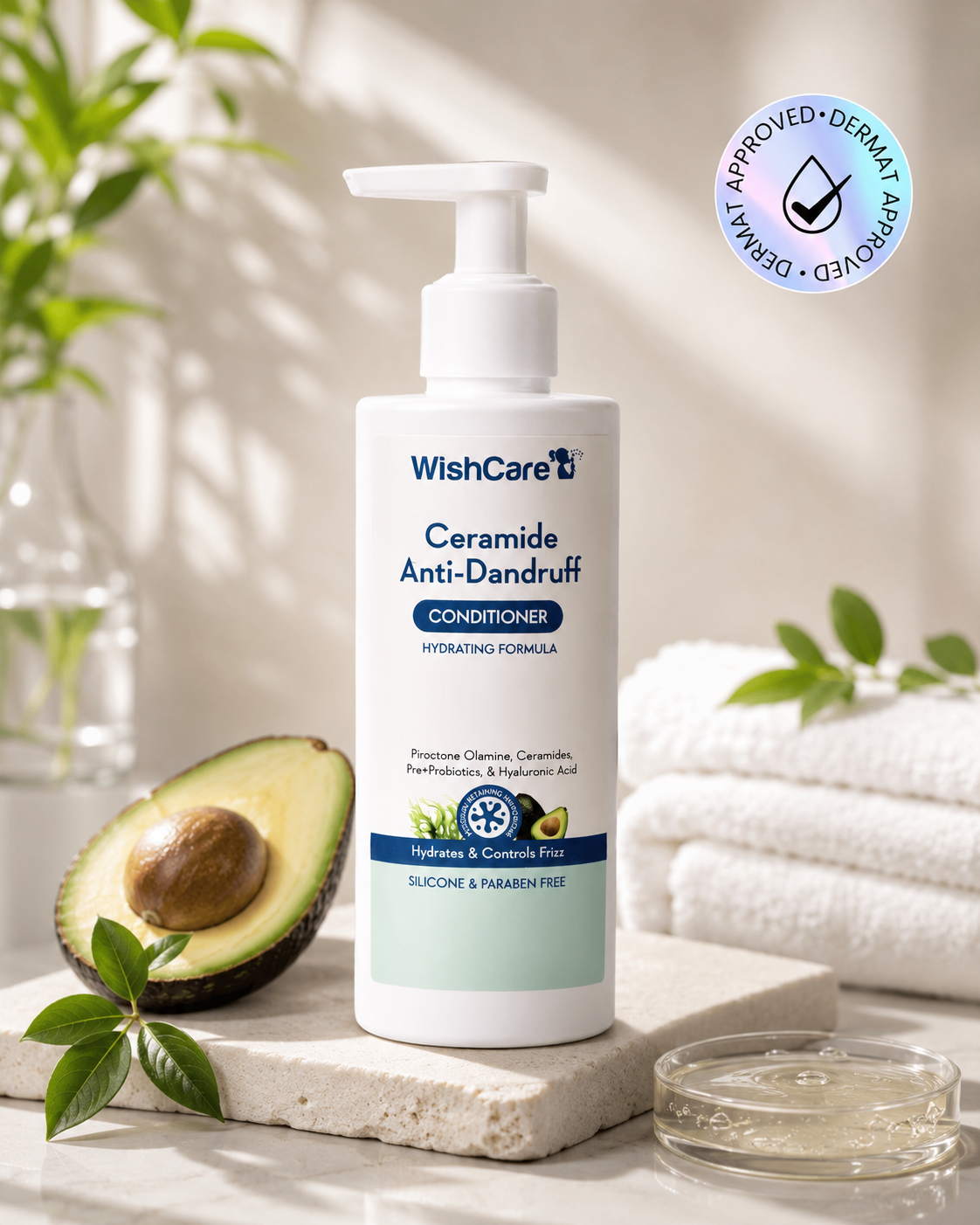
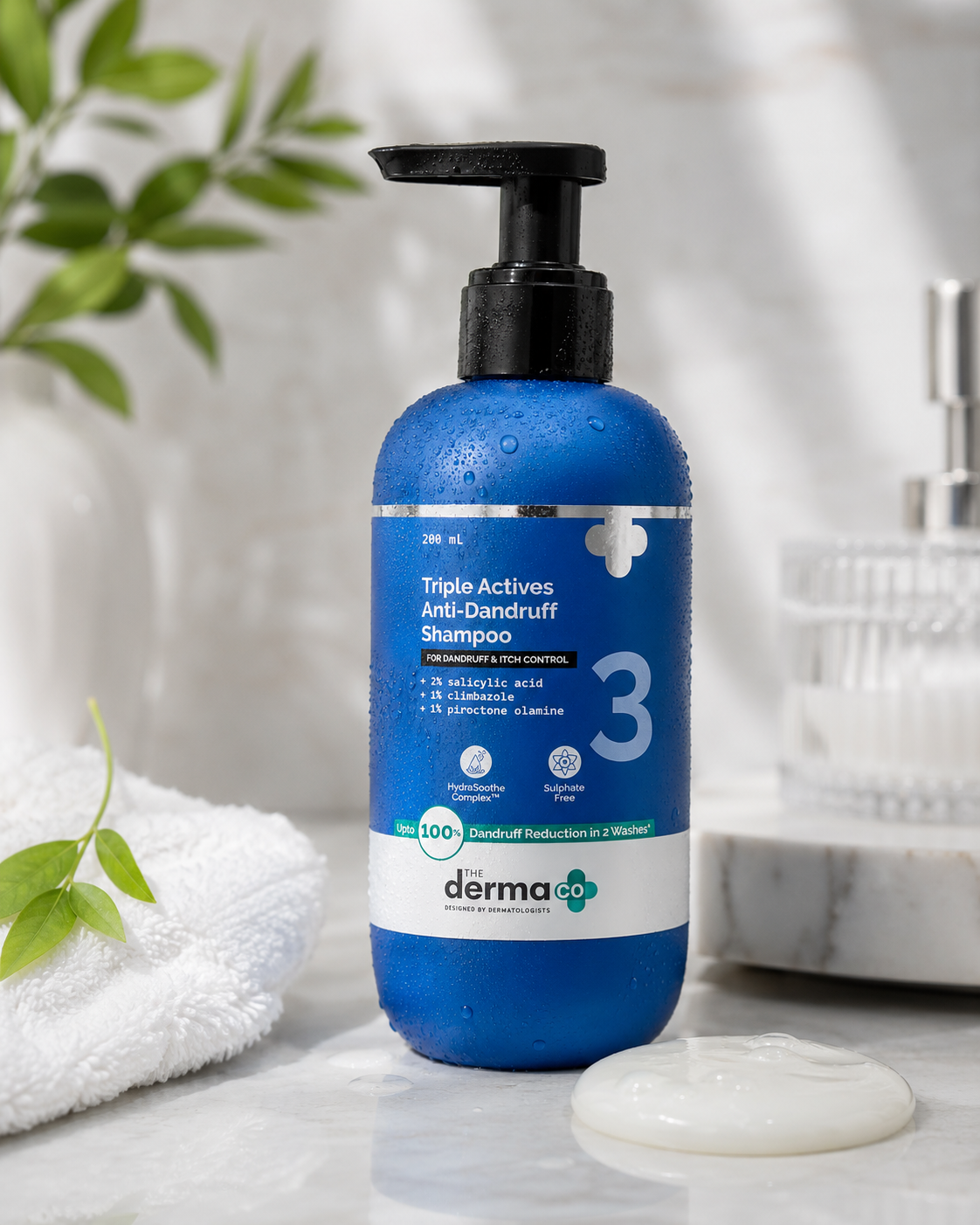
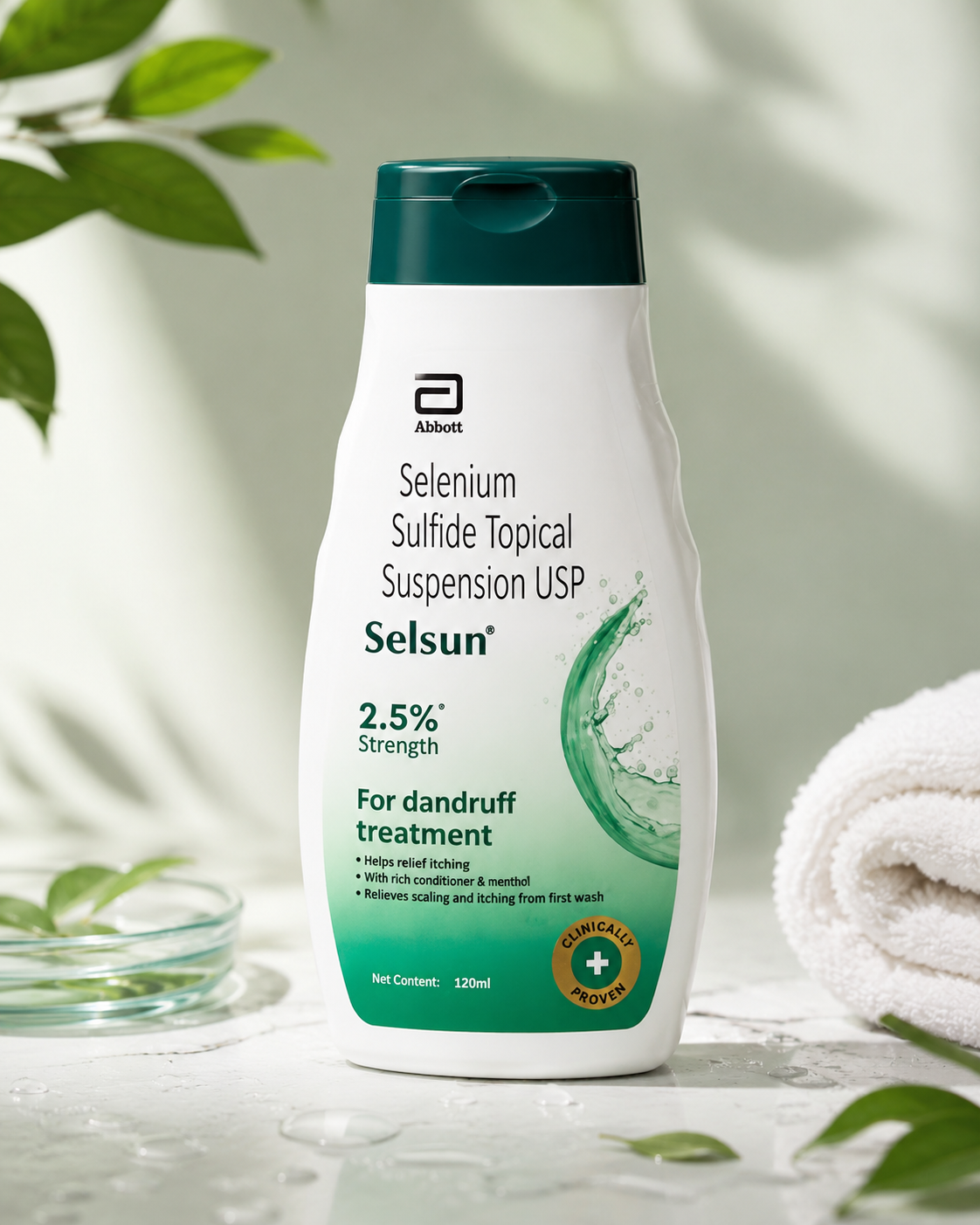
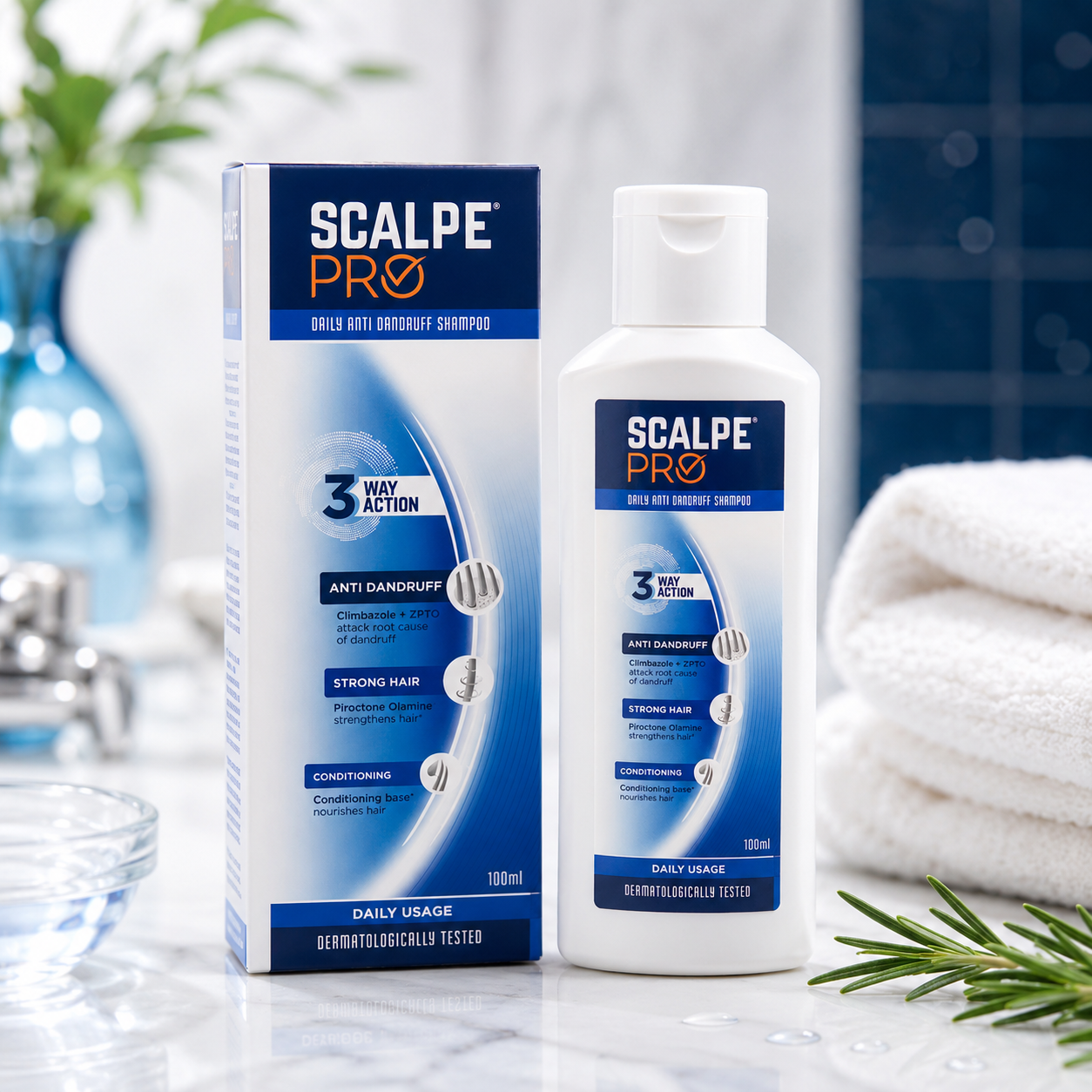
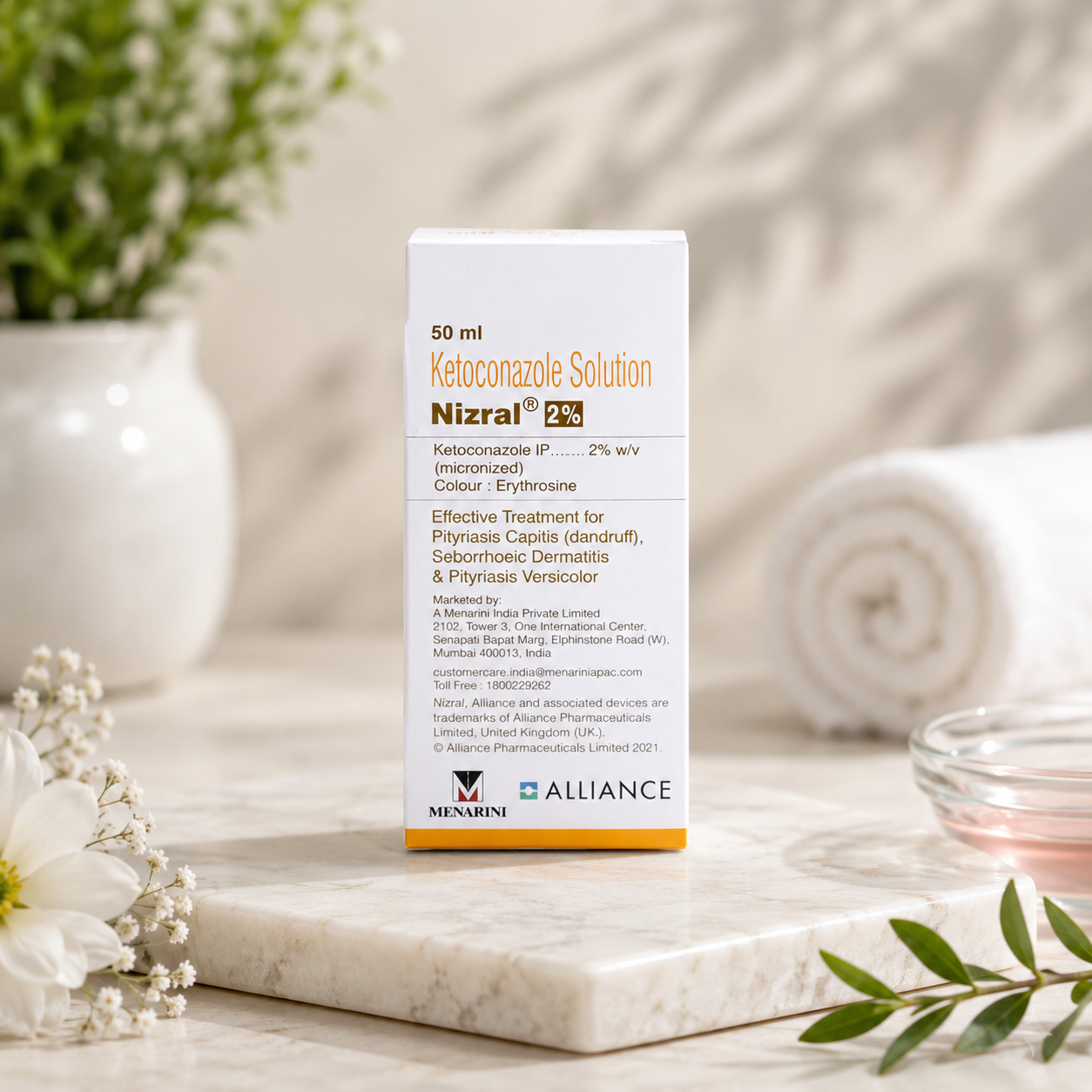
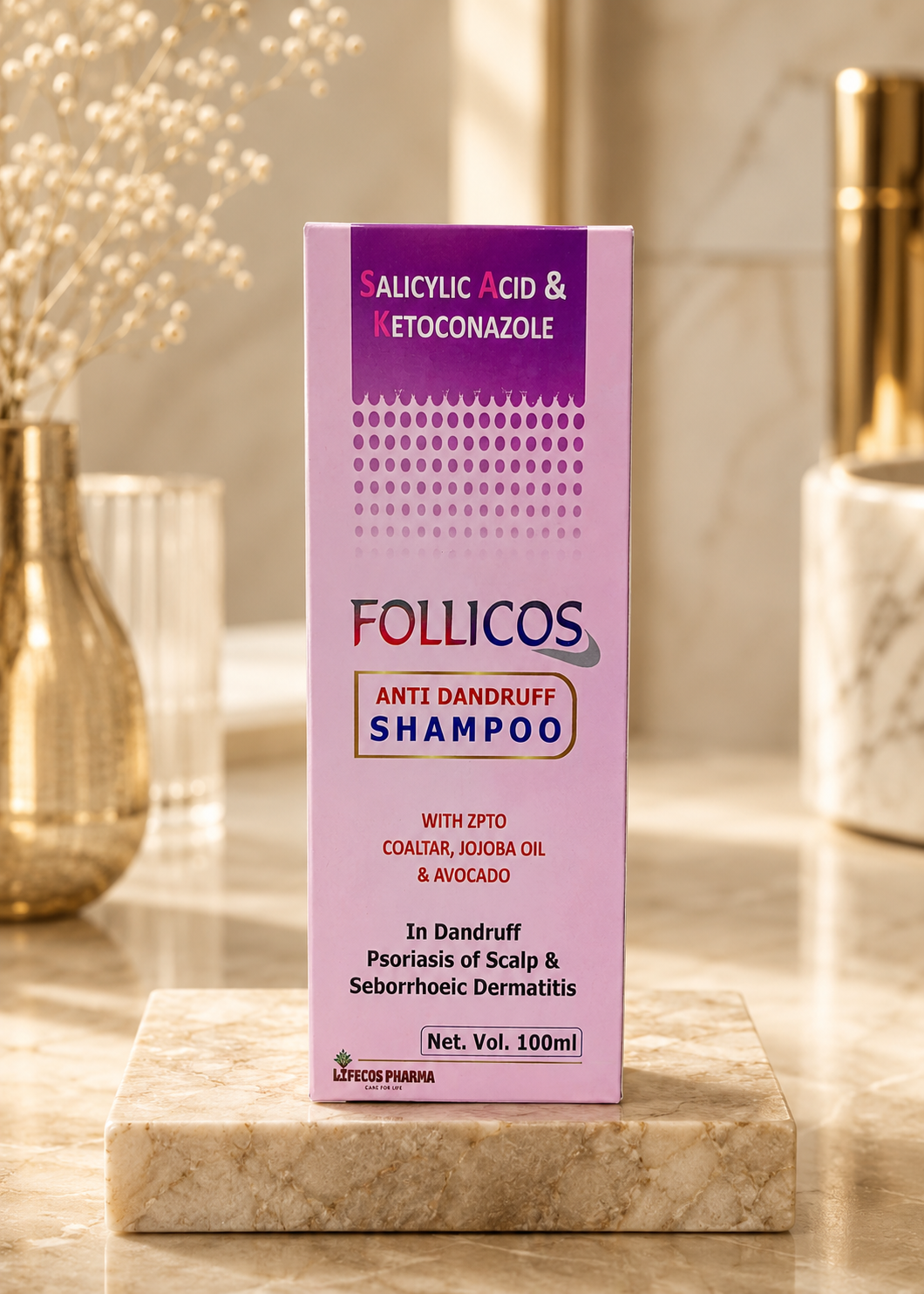
Shop Products for Your Dandruff Control Routine
Shop dermatologist-reviewed products to build a dandruff-control routine — anti-dandruff cleansing and soothing scalp care. Mild dandruff is often OTC-manageable; severe, persistent or painful scalp problems are doctor-guided. Results vary.

Recommended Bundles
Doctor-Aware Product Bundles
Suggested bundles around this topic. Final recommendations should be personalised using the AI Hair Test, scalp photos, medical history and dermatologist review where needed. Prices, stock and prescription status load from the product database.
Bundle · 2 products
₹1
Doctor-reviewed guidanceProduct selection should follow symptoms, age, pregnancy status and scalp condition.
Secure checkoutPayment, invoice and order tracking ready.
Prescription safetyPrescription products must follow dermatologist approval where required.
India deliveryPincode-based availability and refill reminders.
Delivery Check
Check Delivery Availability
Enter your pincode to check medicine, haircare product and bundle delivery availability in your area.
Refill Plan
Never Miss Your Haircare Routine
Routines only work when you stick to them. Add eligible masks, serums and shampoos to a monthly refill plan with reminders — active and prescription refills always follow dermatologist approval.

Doctor's Note
Start Early — Avoid Last-Minute Experiments
"As a dermatologist, I always identify whether flakes are oily dandruff, dry scalp, seborrheic dermatitis, psoriasis-like scaling or a fungal scalp infection. The wrong dandruff routine can worsen dryness or delay diagnosis. For most dandruff-prone scalps a consistent, suitable routine controls it well — but I want patients to track the scalp response and consult early for red flags like a painful, crusting or bleeding scalp, a child's scalp scaling, or flakes that simply will not settle."
Reviewed by Dr. Amit Agarkar, MD DermatologyDermatologist & Hair Specialist · Last reviewed 1 June 2026
Painful, crusting or bleeding scalp, thick plaques, a child's scalp, or no improvement? Get assessed.
Consult Dr. Amit's TeamEditorial Transparency
How This Routine Guide Was Created & Reviewed
Hairsncares follows a who-how-why editorial process so you can see who stands behind this guidance and how it was checked.
🩺
Who created this guide?
Prepared by the Hairsncares editorial team and medically reviewed by Dr. Amit Agarkar, MD Dermatology, a dermatologist and hair specialist.
⚖️
How was it reviewed?
Checked for honest claims (support, not cure or guaranteed regrowth), correct ingredient role, red-flag escalation to a doctor, prescription-active warnings, and suitability for Indian haircare users.
💡
Why was it created?
To help you follow a safe, realistic routine, understand honest timelines, and know when a dermatologist's assessment matters more than self-treating.
🩺
Last medically reviewed: 1 June 2026Dr. Amit Agarkar, MD Dermatology · Dermatologist & Hair Specialist · Reviewed against the live guidance
Ask a Hair DoctorClaim-Safe Summary
What This Routine Can and Cannot Do
✅ May Help With
- A scalp-first shampoo schedule and scalp care for flakes and itch
- Improving routine consistency
- Supporting scalp comfort, hair-shaft appearance or product fit where relevant
- Tracking progress at 2 weeks, 6 weeks, 3 months and 6 months
⛔ Cannot Promise
- Permanently cure dandruff or a scalp condition
- Guaranteed hair regrowth
- A permanent cure for hair loss, dandruff or scalp disease
- Permanent reversal of chemical, heat or colour damage
- A replacement for a dermatologist's diagnosis
- Prescription-level results from cosmetic products
Medical References
When to See a Doctor & Trusted Sources
A routine supports comfort, appearance and consistency — it does not replace diagnosis. For red-flag symptoms or no improvement, rely on assessment rather than only changing routines.
- Thick plaques, pain, pus, crusting or patchy loss may need diagnosis rather than repeated shampoo changes. Read DermNet on seborrhoeic dermatitis.
- Practical, dermatologist-backed guidance on treating dandruff at home. Read AAD guidance on dandruff.
- General information on common hair and scalp problems and when to see a clinician. Read MedlinePlus on hair problems.
External links open in a new tab and are provided for general education; they are not endorsements and do not replace personalised medical advice.
Questions
Frequently Asked Questions
What is the best dandruff control routine?
The best dandruff control routine is matched to your flake type and scalp, centring on a suitable anti-dandruff shampoo used as directed, gentle scalp care, avoidance of heavy oiling on a flaky scalp, and tracking of how flakes and itching respond. Oily dandruff, dry flakes and sensitive scalps need different choices. Results vary.
How often should I use anti-dandruff shampoo?
Anti-dandruff shampoo frequency depends on the product and your scalp, but many are used around one to three times a week as the label directs, with gentle shampoo on other wash days. Overuse can dry the scalp. Results vary.
Is Ketoconazole needed for dandruff?
Ketoconazole is a useful antifungal option for selected recurrent or oily dandruff and seborrheic-prone scalps, but it is not needed for every flake, and dry-scalp flaking may not need it at all. Severe scalp symptoms need a doctor's guidance. Results vary.
Is Zinc Pyrithione good for dandruff?
Yes, zinc pyrithione is a well-established anti-dandruff ingredient that supports flake and oil control in many users and is a common, generally well-tolerated choice in anti-dandruff shampoos. It can be a good first option for everyday dandruff. Results vary.
Is Salicylic Acid good for flakes?
Salicylic acid can help loosen flakes and reduce buildup on the scalp, so it is useful where scaling or product buildup is the main issue, but it can dry or irritate a sensitive or already inflamed scalp and should not be overused. Results vary.
What is best for oily dandruff?
Oily dandruff usually responds best to consistent scalp cleansing with a suitable anti-dandruff shampoo such as ketoconazole, zinc pyrithione or piroctone olamine, while avoiding heavy oiling that adds to the problem. Results vary.
What is best for dry flakes?
Dry flakes may reflect a dry scalp rather than classic oily dandruff, so harsh or frequent anti-dandruff shampoos can make them worse, and a gentler, more hydrating approach often suits better. Distinguishing the two matters. Results vary.
Can dandruff cause hair fall?
Dandruff itself does not usually cause permanent hair loss, but an itchy, inflamed scalp and the scratching it provokes can increase breakage and temporary shedding, so controlling dandruff can reduce that contributing factor. Results vary.
Can oiling worsen dandruff?
Yes, in many people heavy scalp oiling can worsen oily dandruff or a seborrheic-prone scalp, because the yeast involved can be affected by oils and oil adds to buildup, so loading oil onto a flaky scalp is often counterproductive. Results vary.
Can dandruff be permanently cured?
Dandruff is usually a recurring, manageable condition rather than something permanently cured, so the realistic goal is good control with a maintenance routine, since flares can return when the routine lapses or with stress, weather or other triggers. Results vary.
Can I use conditioner with anti-dandruff shampoo?
Yes, you can use conditioner alongside an anti-dandruff shampoo, but it is best applied to the mid-lengths and ends rather than the scalp, especially if your scalp is oily or dandruff-prone, so the hair stays soft without adding buildup to the scalp. Results vary.
Can scalp serum help dandruff?
A suitable leave-on anti-dandruff lotion or soothing scalp serum can support a dandruff-prone scalp for some users, but it should be tolerated, kept off broken or inflamed skin, and not layered with multiple actives at once. It complements, not replaces, a good shampoo routine. Results vary.
Is scalp exfoliation safe?
Gentle scalp exfoliation, for example with a salicylic-acid product, can be safe and helpful where there is buildup and the scalp is healthy and not inflamed, but it can irritate a sensitive, dry or broken scalp and should not be overdone. Results vary.
What if dandruff keeps coming back?
Recurring dandruff is common, since it is a manageable rather than permanently curable condition, so a maintenance routine that continues after flares settle helps, but if it returns frequently or is hard to control it may reflect seborrheic dermatitis or another scalp condition that needs assessment. Results vary.
What if my scalp is red or painful?
A red, painful scalp, or one with pus, crusting, bleeding, thick plaques or swelling, is beyond a routine and should be assessed by a doctor, since it can indicate infection, severe seborrheic dermatitis, psoriasis or another condition needing treatment. Results vary.
Is this routine safe for teenagers?
Gentle dandruff care such as a suitable anti-dandruff shampoo used as directed is generally reasonable for teenagers, but stronger products should be used cautiously, and a child's or young teenager's scalp scaling, especially with patches or significant symptoms, should be assessed by a doctor rather than self-treated. Results vary.
Is this routine safe during pregnancy?
Many gentle anti-dandruff routines are reasonable in pregnancy, but you should check specific medicated ingredients with your doctor first, since advice on some actives can vary in pregnancy and breastfeeding, and your doctor can confirm what is suitable. Results vary.
Can the AI Scalp Test build my routine?
The AI Scalp Test, with the AI Routine Builder, can help identify whether your scalp is oily, dry, dandruff-prone or sensitive and suggest a suitable morning, night and weekly dandruff routine with a product bundle and a doctor-consult flag. It is a screening and education aid, not a diagnosis. Results vary.
When should I consult a dermatologist?
You should consult a dermatologist for scalp pain, pus, crusting, bleeding, thick plaques, severe redness or swelling, patchy hair loss, a child's scalp scaling, a suspected fungal infection or psoriasis, or dandruff that does not improve despite correct product use. Results vary.
How do I track dandruff improvement?
You track dandruff improvement with the Scalp Progress Tracker by recording flake, itching, oiliness and redness scores, product tolerance and scalp photos at 2 weeks, 6 weeks, 3 months and 6 months, which shows whether the routine is genuinely helping and whether dandruff is recurring. Results vary.
Question not answered here? Ask Dr Aria for general guidance, or book a consultation.
Ask Dr AriaConsult a DoctorControl Dandruff with the Right Scalp Routine
Dandruff control works best when the routine is matched to your flake type and scalp, built around a suitable anti-dandruff shampoo, kept free of heavy scalp oiling, and tracked over time. It may support a dandruff-prone scalp — it does not permanently cure dandruff, and the wrong routine can worsen dryness or delay diagnosis. Screen with the AI Scalp Test, build your plan, track at 2 weeks, 6 weeks, 3 months and 6 months, and see a doctor for red flags. Results vary.
Medical disclaimer. This is educational content reviewed by a dermatologist. The AI Routine Builder, AI Scalp Test and Scalp Progress Tracker help you build and monitor a routine and flag when a doctor is needed, but do not diagnose, prescribe, order tests, confirm a product is right for you, endorse a brand, or replace a dermatologist. This routine may support a dandruff-prone scalp; it does not permanently cure dandruff (dandruff is managed, not cured), and the wrong routine can worsen dryness or delay diagnosis. It is important to distinguish oily dandruff, dry scalp, seborrheic dermatitis, psoriasis-like scaling and fungal scalp infection. Ketoconazole and similar actives are doctor-guided for severe symptoms; tea tree oil must never be used undiluted. See a doctor for scalp pain, pus, crusting, bleeding, thick plaques, severe redness or swelling, patchy hair loss, a child's scalp scaling, suspected fungal infection or scalp psoriasis, or no improvement despite correct product use. Product price, concentration, stock, ratings and reviews are dynamic placeholders from the official label and database. Results vary.